
Comparative framing
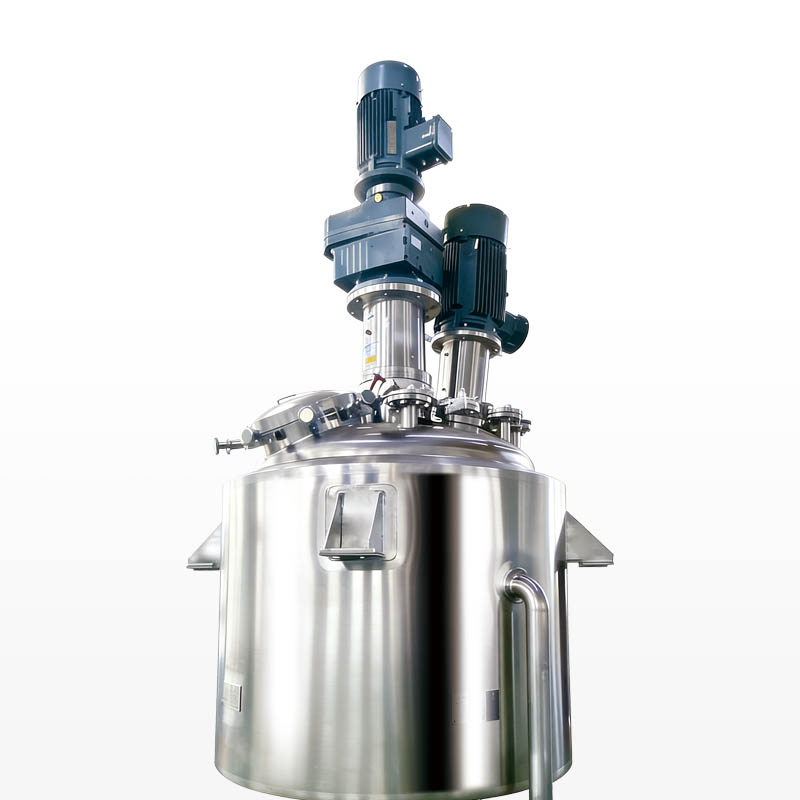
You want a clear comparison that separates meaningful technical differences from marketing noise; start by aligning the machine type to the process outcome. For liquid dispersion and emulsification tasks, compare performance across designs rather than price alone — for example, contrast throughput and energy density when evaluating high shear batch mixers versus alternative technologies. This keeps conversations about shear, scale-up, and product quality grounded in measurable variables instead of vendor promises.
Core metrics that determine real performance
Measure these parameters with the same rigor you use for instruments: tip speed (m/s), specific energy input (kW·h/m³), shear rate range (s⁻¹), power density (kW/m³), and achievable particle size distribution (D50, D90). Add mechanical metrics: torque at operating speed, seal type and rated pressure, bearing life, and motor efficiency. These numbers let you compare manufacturers objectively — not by brand story but by what they deliver to your recipe.
Design variants and where they excel
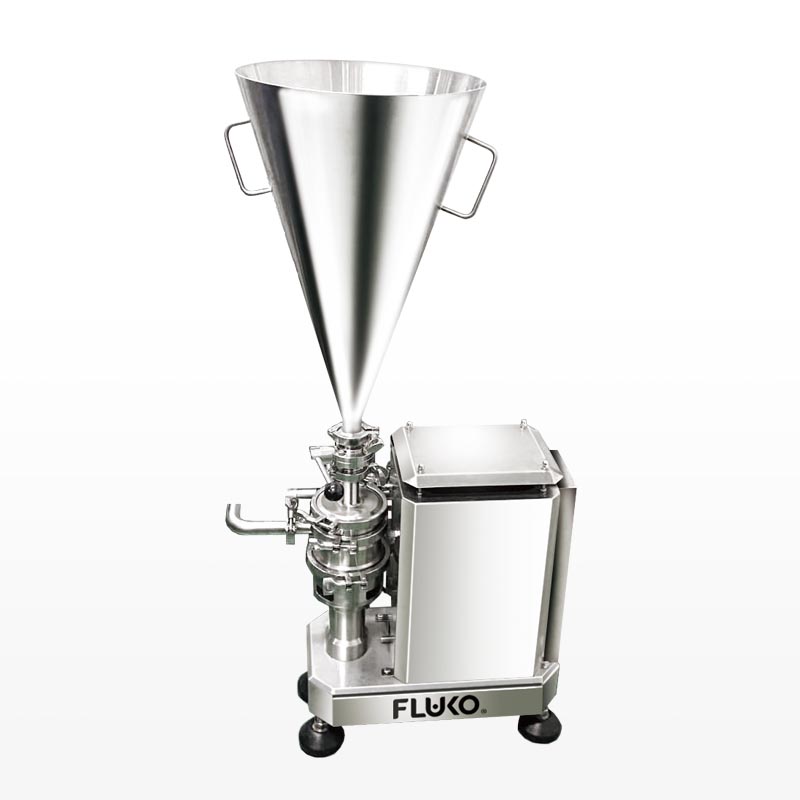
Rotor‑stator high-shear units give narrow particle distributions and fast emulsification at small to medium scales. High-pressure homogenizers push finer dispersions for submicron targets but raise capital and service costs. Colloid mills and wet media mills handle high-viscosity slurries differently; they can outperform batch shearers for abrasive suspensions. Choose based on target droplet/particle size, acceptable residence time, and solids loading.
Scale-up behavior and predictive checks
Don’t assume linear scale-up. Verify vendor-supplied scale-up data against these checks: maintain similar tip speeds and power densities; confirm whether batch-to-batch variability grows with volume; request empirical scale-up runs or pilot data for your formulation. Test points: maintain identical shear exposure (time × shear rate) and measure the product attribute that matters — viscosity or particle-size tail — not just apparent visual homogeneity.
Operational lifecycle: maintenance, cleaning, and spare parts
Compare mean time between failures (MTBF) claims, but validate with maintenance records when possible. Focus on seal type (mechanical vs. lip seals), ease of disassembly, availability of OEM spare rotors/stators, and CIP compatibility. A lower upfront cost can cost more in downtime and parts lead time; quantify expected annual service hours and spare-part lead times to compare total cost of ownership across suppliers.
Control, instrumentation, and integration
Assess control capabilities: programmable recipes, closed-loop viscosity control, and data logging matter for reproducibility. Check communications (Modbus, OPC UA) for integration into plant SCADA. Prefer vendors that expose process parameters (motor load, torque, temperature, rpm) through standard protocols rather than locked proprietary stacks.
Common procurement mistakes to avoid
Selecting by headline throughput alone is a top error; throughput and product quality are different axes. Ignoring the formulation’s solids or abrasiveness leads to premature wear. Skipping a pilot trial with your exact recipe is risky; lab data on water-only tests seldom predicts performance at commercial solids. Finally, don’t accept generic scale-up formulas without vendor-provided empirical validation for your product class.
Alternatives and when to choose them
If your end goal is droplet sizes above 5–10 µm with high viscosity, a high-torque disperser may be the better, lower-cost choice. For submicron emulsions, high-pressure homogenizers or ultrasonic homogenizers are viable alternatives; they typically increase CAPEX and service complexity. For abrasive slurries, wet media milling often gives better wear distribution and finer control over particle breakage than shear-only devices.
Experience, authority, and a real-world anchor
I’ve evaluated vendor claims across formulations in pharmaceutical and coatings projects and run head-to-head trials for tens of formulations during pilot campaigns. Industry gatherings like Pittcon and manufacturing clusters in Basel routinely feature technical sessions and vendor demonstrations that document performance differences for shear equipment; those forums often showcase practical comparisons of a high shear batch mixer against homogenizers and mills, providing verifiable case studies you can cross-check in proceedings and vendor whitepapers.
Decision checklist and negotiating leverage
Prioritize: (1) product-critical output metric (particle/droplet size, stability); (2) verified scale-up data; (3) serviceability and spare-part lead times; (4) control and data access; (5) total cost of ownership over expected lifetime. Use specifics in negotiations: request on-site trials with your recipe, demand failure-mode documentation, and require spare-part delivery times in the contract. If a vendor can’t commit to these, treat their performance claims as provisional.
Summary
Compare manufacturers by measurable output and lifecycle realities, not marketing. Match design to objective — droplet size, throughput, viscosity handling — and validate with pilot data and documented scale-up. That disciplined comparison gives you technical clarity and predictable product outcomes, which is why engineering teams often reference vendor case studies and empirical trials when choosing equipment from FLUKO.