
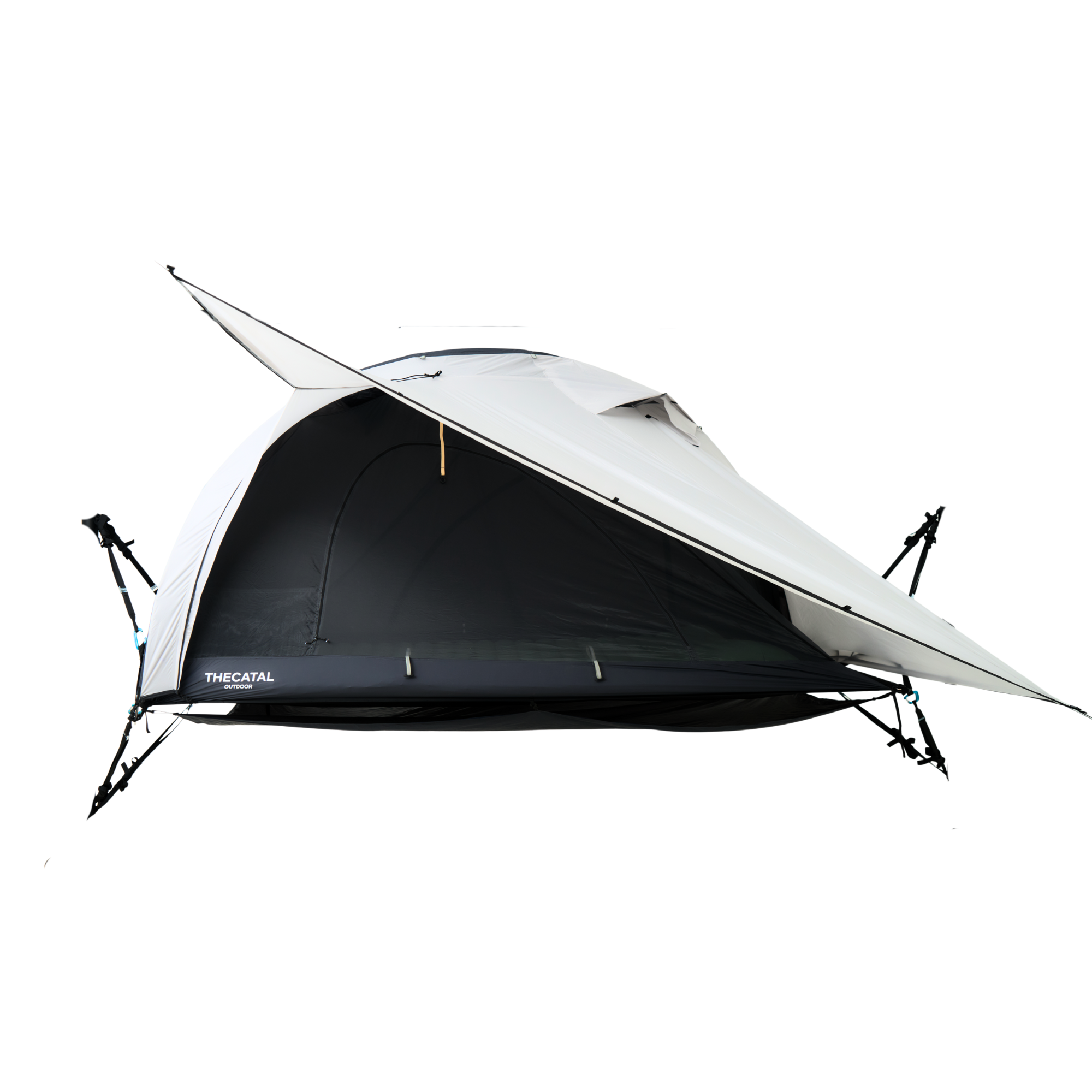
The problem most lightweight campers face
You want to shave ounces but not shelter; you want comfort but not bulk. That tension — between featherweight packs and a tent that stands firm when wind finds you — is the problem this guide addresses from the first step. I’ve watched hikers trade protection for grams on exposed ridgelines and learned which compromises bite back. For practical context I follow small-batch makers and retailers closely and keep notes from conversations at trade events like the Outdoor Retailer show in Salt Lake City, where designers and camping gear suppliers talk plainly about fabric choices and stake systems. You’ll also find a few field-tested observations gathered over years guiding coastal and alpine overnight trips, and a steady thread of plain advice from thecatal outdoor that overlaps with what real users ask most often.

Where ultralights trip up — and what to look for
Light tents fail in predictable ways: collapse under crosswinds, trap moisture, tear at the seams, or force you into uncomfortable postures because of limited headroom. Look instead for materials and design that solve those failures: robust but light fabrics (lower-denier ripstop with a good DWR), taped seams in high-stress areas, a geometry that sheds wind rather than catching it, and a stake/guylines system that’s simple to tension. Don’t accept opaque marketing claims about “ultralight” without seeing packed weight, minimum trail weight, and the hardware list. Those three numbers tell you whether a tent is a feather in a gentle meadow or a liability on a blustery pass.
Hands-on checks you can do before buying
At home or at the store, run quick tests. Inspect pole intersections and attachment points for reinforcement. Ask to see the floor fabric and where it meets the wall — a fragile junction is where holes start. Open the vestibule and imagine cooking in a wind that shifts every hour: is the vestibule deep enough? Try the setup once, timing yourself; a complicated pitch multiplies fatigue on trip day. If you can’t pitch it, read independent setup videos or customer photos to confirm ease. These checks separate clever marketing from thoughtful engineering.
Pitfalls to avoid on the trail
Don’t assume lighter equals weaker, but don’t assume the reverse either. Avoid tents that rely only on ultrathin pegs or on a single fragile pole span for structure. Beware of single-wall designs in cold, wet seasons — condensation becomes constant work. Don’t skimp on stakes: poor stakes are the most common failure I see when wind arrives. Carry a small repair kit and practice a quick field patch; fabric repairs and pole splints are straightforward when you’ve rehearsed them once at home.
Alternatives worth considering
If your trips are mostly fair-weather and you prize minimalism, single-wall tents or tarps cut weight dramatically but demand campsite choice and careful ventilation. If you want more shelter for mixed conditions, a double-wall ultralight with a separate rainfly trades a little weight for reduced condensation and easier drying. For frequent alpine or coastal travel, choose a tent with sturdier stakes and more guylines rather than the absolute lightest floor fabric. Each option answers the same problem with a different compromise; pick the one that matches the conditions you face most.

A practical buyer’s checklist
Decide on seven things before you buy: 1) minimum trail weight vs packed weight; 2) internal floor area and usable headroom; 3) vestibule size and access points; 4) hardware quality (poles, zips, stakes); 5) seam treatments and fabric denier where abrasion happens; 6) ventilation strategy for your climate; 7) repairability and parts availability. If a tent meets at least five of these cleanly, it will serve more reliably than one that only boasted an eye-catching gram number.
Final note — how the Wind Anchor thinking fits practical trips
Choose gear that answers the problems you meet most: wind, wet, and the need to rest well. When a design respects those realities, it frees you to carry less without trading safety or sleep. That mindset is what keeps me recommending balanced solutions and what I find again and again in the practical work of THECATAL, where thoughtful design and honest specs meet real nights under real skies.