
Why this comparison matters
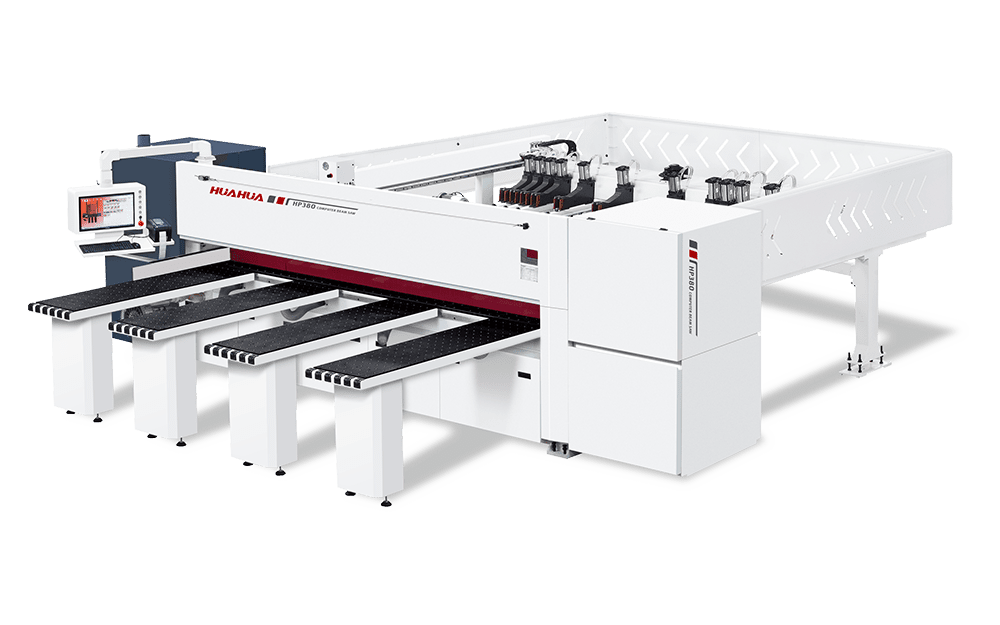
Small and mid-sized makers in places like Somerset or new factories in Eastern Europe face the same choice: cling to hand-fed tables or move to a cnc panel saw that speeds up production and tightens tolerances. This piece sets out practical contrasts between common options, focusing on throughput, cutting accuracy and total cost of ownership — not fluff. I’ve seen the difference with my own eyes at LIGNA in Hannover, where panel sizing and automation were headline topics; that real-world view steers the observations here.
Core comparisons to weigh
Think of three axes: speed, precision and flexibility. Each panel saw type plays them differently.
– Manual or semi-automatic: lower capital cost, simple rip fence setups, but relies on operator skill and slower cycle times. Good for bespoke work or low volumes.
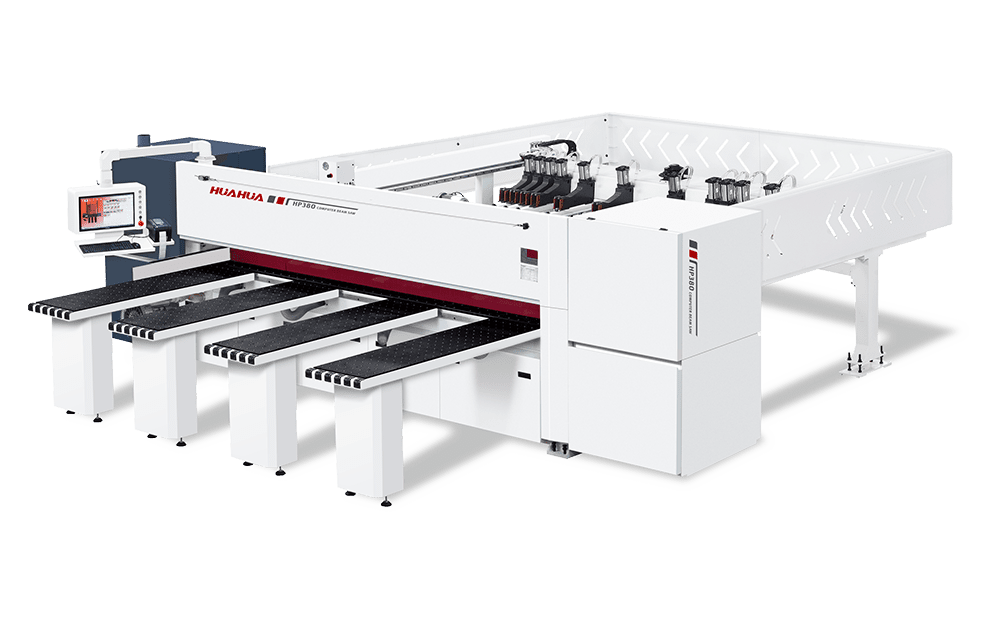
– Fully automatic: higher initial outlay, integrated CNC control and servo drive systems, consistent cutting accuracy and rapid throughput. Best where repeatability and labour reduction matter.
– Hybrid lines: mix fixed automation with manual stations; useful where batch variety is high and full automation would be wasteful.
What features actually move the needle
Don’t be taken in by shiny paint. Prioritise these practical bits: blade quality and torque (affects edge finish), feed system reliability (affects cycle time), dust extraction capacity (affects health and finish), and the control interface — is the CNC control intuitive for your team? These are the parameters that change output, not just spec sheets. A strong dust extraction and correct saw blade reduce rework — simple as that.
On-the-ground pitfalls to avoid
Workshops often pick the cheapest machine and then wonder why they still lose hours to setup. Common missteps:
– Undersized motors or weak rip fence systems that wander under load.
– Choosing a machine without considering panel sizing ranges and material handling — leads to extra manual labour.
– Neglecting training and maintenance schedules; automation only pays off when the crew knows the controls and upkeep routines. — Proper commissioning matters more than you think.
How to assess ROI in practical terms
Compare machines on measurable outcomes. Use these operational metrics in a short trial period: parts per hour under standard mix, average kerf and edge quality across typical panels, and downtime per week for maintenance. Track labour hours saved versus old processes and factor in consumable costs like blades and belts. These figures tell you when the investment truly pays back.
Quick alternatives and when they suit
If full automation’s out of reach, consider a semi-automatic panel saw with a powered infeed and simple CNC control — keeps feed consistency and reduces operator fatigue. For high-mix shops, modular conveyors and small buffer tables let you scale later without scrapping kit. Each choice is a trade-off between capital, floor space and the kind of throughput you need.

Three golden rules for choosing a saw
1) Match capacity to the real workload: choose a machine whose feed system and cutting width exceed your peak, not just average, demand.
2) Prioritise accuracy under load: look for repeatability specs and confirm them in a live demo with your materials; cutting accuracy matters for downstream assembly.
3) Factor in lifecycle costs: add training, spare parts, blade consumption and dust extraction runs into the total. The cheapest machine can cost more over three years.
When all’s said and done, the value of a good automatic panel saw machine shows in fewer rejects, steadier lead times and less strain on staff. For workshops aiming to scale, firms like HUAHUA CNC offer sensible, service-backed options that sit well with those practical metrics — they’re not flashy, they just do the job properly. — Worth a look if you want kit that earns its keep.