
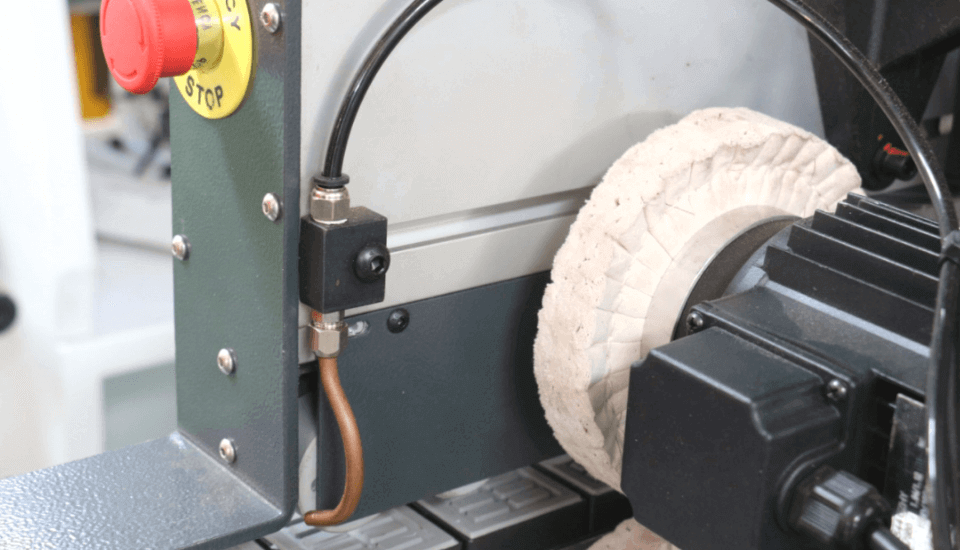
Quick comparison to start
Right then — you can keep sticking edges by hand or you can fit an automatic edge banding machine and change how a whole shop runs. This piece looks at what each approach gives you, where mistakes crop up, and why a proper comparison matters before you spend brass. We’ll weigh speed, finish, cost and day-to-day practicality so you can see which one actually suits your workshop.

What changes on the workshop floor
Automatic kit means steady output and fewer blips in finish. Labour shifts from fiddly hand-work to machine tending and quality checks. That cuts variability: fewer mismatched edges, less sanding, and more predictable lead times. Manual methods still win when you need one-off shapes or rapid prototypes, but they slow you for batch runs and raise reject rates. Think of it as trading repetitive hand time for setup and monitoring time — different skills, different bottlenecks.
Real-world anchor: what the trade shows and yards tell you
I saw a packed demonstration at LIGNA in Hannover where several makers tested a new auto edge banding machine back-to-back with their old lines. The demo showed consistent edge alignment and fewer reworks on continuous runs — the sort of practical proof that matters to shop owners who’ve been round a workbench for years. That hands-on view, and years advising workshops from Somerset to Bristol, shapes the practical recommendations below.
Alternatives and where they sit
There are three sensible setups: handheld and portable units, semi-automatic bench machines, and full automatic lines. Handhelds cost less up front and suit repair work or short runs. Semi-auto units give better edge control with modest footprint. Full automatic machines demand floor space and power but handle long runs with consistent glue application and trimming. Match the tool to the run length and staff skills rather than chasing the newest gadget.
Common mistakes to avoid
Picking a machine without checking service support is the top error. Other missteps: assuming one glue fits all panels, underestimating required training, and ignoring feed-rate settings that suit your parts. Folks also forget access for maintenance; parked machines that’re hard to service end up idle. Sort those details before the first invoice goes out.
Simple metrics to judge machines by
Ask for steady-state throughput (not just peak), typical rework rates, and examples of comparable jobs run on the machine. Check panel tolerances it handles, minimum and maximum edge thickness, and what spare parts look like cost-wise. Confirm a clear plan for operator training and rapid support — same-day spare parts matter more than slick brochures.
Putting the comparison into a decision
Decide by matching production patterns to machine strengths: small bespoke batches? Stick with hand or semi-auto. Regular medium-to-large runs? Full automatic systems cut waste and stabilise finish. For shops moving from craft to volume, the shift buys predictable quality and steadier margins. If you want a reliable partner in that move, HUAHUA CNC shows how equipment and service can fit into real workshop routines without fuss, giving the practical support a busy shop needs rather than empty promises.