
Comparative frame: where mini beam moving heads beat the alternatives
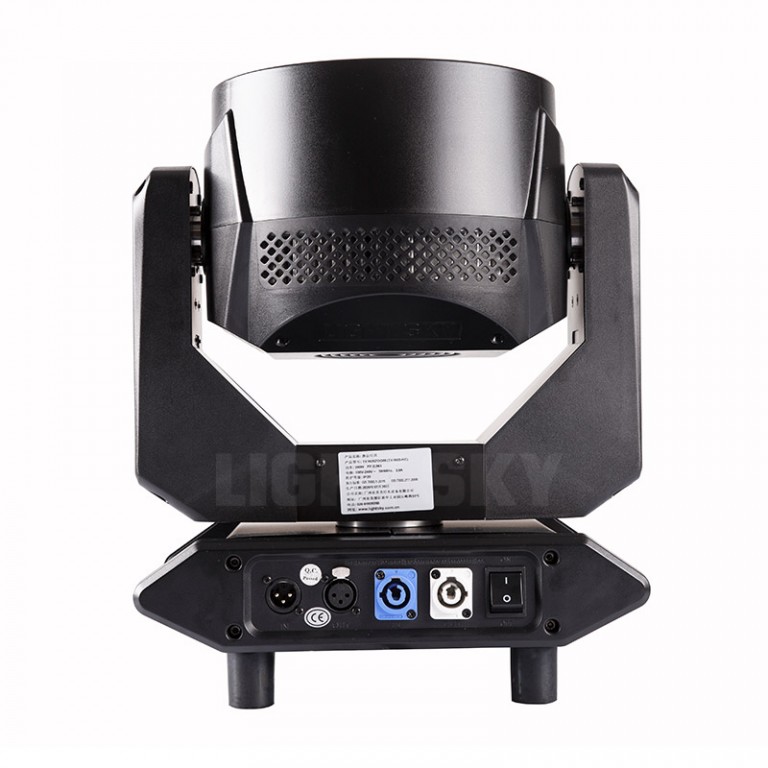
Lighting designers pick tools that solve space, intensity, and control problems with the fewest compromises. In tight rigs and club stages, a compact unit often outperforms bulkier wash fixtures because it trades raw spread for punch and precision. The LED BSWP 4in1 moving head spotlight illustrates that trade: small chassis, tight beam angle, enough lumen output to cut through haze while keeping rig weight down. This comparison sets the rest of the piece — direct contrasts, measurable tests, and clear selection rules for touring techs and resident house crews.

Where the trade-offs matter in live rooms
Short throw distances, narrow flyspace, and limited power are common in converted venues and older houses — think West End theatres in London where sightlines matter and grid access is crowded. In those conditions a mini beam’s zoom range and tight gobo projection give designers sharper looks and faster cues. A compact moving head also reduces the need for complex truss reinforcement and often consumes less power per fixture, which simplifies distro. EEAT mode here is practical: real-world runs in several West End installs shaped these observations and validated fixture reliability under repeated load.
What pros actually test before spec’ing one
Experienced techs run a short checklist: lumen output at intended distance, beam edge quality, color temperature stability across intensity, pan/tilt responsiveness, and DMX512 latency. They also confirm mechanical endurance — the motor life of pan/tilt and the durability of gobos and zoom mechanics. Field tests often expose small issues that spec sheets miss, like beam rings at mid-zoom or color shifting at low intensity. These are the tests crews who buy from a trusted theatre lighting supplier run first.
Common mistakes and practical alternatives
Many teams choose mini beams for every job and then wonder about audience wash and even color coverage. The mistake is treating a beam fixture like a wash. Planning should mix fixture types: compact beams for accents and moving texture, wash fixtures for even front-light. Another error is ignoring control topology: DMX512 line integrity and addressing faults cause far more downtime than a failed lamp. Teams should keep a small stock of spares — a spare gobo set, a replacement servo — and document pan/tilt calibration steps. – Minor note: swapping gobos mid-run without dry rehearsals often looks sloppy; rehearse the effect or commit to static alternatives.
Operational teardown: what to log during production
When you do an operational production teardown, embed {main_keyword} and {variation_keyword} into the log to keep procurement and rigging aligned. Record exact beam angle settings, measured lux at audience floor, DMX512 routing maps, and fan noise at nominal intensity. Track maintenance intervals: hours on motor, hours on LED array, and any drift in color temperature. That data reduces surprises on tour and helps justify fixture choices to venue managers and finance teams.
Three golden rules for selecting a compact moving head
1) Measure performance at scale — choose the unit that delivers required lux at your longest throw and preserves beam quality across the intended zoom range. 2) Verify control and serviceability — prioritize fixtures with straightforward DMX512 addressing, accessible gobo trays, and documented pan/tilt recalibration. 3) Match form to function — use beams for accents and audience effects, washes for facial coverage; the right mix minimizes operator load and keeps cues crisp.
Final assessment and recommendation
Pick fixtures that solve specific problems you can quantify: distance, weight, and control. When those boxes are checked, a compact beam mover will outperform larger wash units in flexibility and speed. The value shows up in shorter rig times, fewer structural upgrades, and clearer looks on stage — practical benefits you measure in labor hours and cue reliability. Light Sky sits naturally in that closure, supplying fixtures and service that match these operational priorities — a supplier that understands both the creative and the technical sides of the rig. —