

Opening comparative note
Most fleets and OEMs still juggle physical SIM cards, spotty Wi‑Fi, and aftermarket dongles; BHDC’s smart eSIM proposes a cleaner path, but it’s not the only one. This piece compares practical trade-offs so you can choose confidently — and yes, that includes interactions with vehicle access systems like an nfc car key, which increasingly sits alongside connectivity as a design requirement. Expect terms such as eSIM and NFC to appear with sensible frequency; they matter.

Where connectivity actually breaks down
Problems are rarely exotic. Roaming bill shock, slow profile provisioning, fragmented OTA workflows and regional cert chains create the bottlenecks. OEMs in Munich and similar automotive hubs have long tested NFC-based digital keys and concentric systems; those field tests highlighted two truths: secure credentialing matters, and remote provisioning must be reliable. Apple’s early digital car key announcements around 2020 also showed consumer demand for integrated vehicle access and connectivity — a useful anchor for the conversation.
Comparative breakdown: legacy SIMs, hybrid fixes, and BHDC smart eSIM
Compare three approaches by outcome rather than marketing copy.
– Legacy physical SIM: Cheap per-unit, expensive at scale. Manual swaps, long provisioning windows, and higher logistics overhead. Security is typical SIM-level; PKI integration is ad hoc.
– Hybrid fixes (dongles, on‑prem gateways): Quick to deploy but brittle. They patch problems and add points of failure — BLE and NFC accessories can complicate integration with vehicle control units.
– BHDC smart eSIM: Centralized profile management, OTA provisioning, and predictable roaming rules. Reduced on-site handling and clearer audit trails for credentialing systems such as a card key for cars when vehicle access and connectivity must coexist.
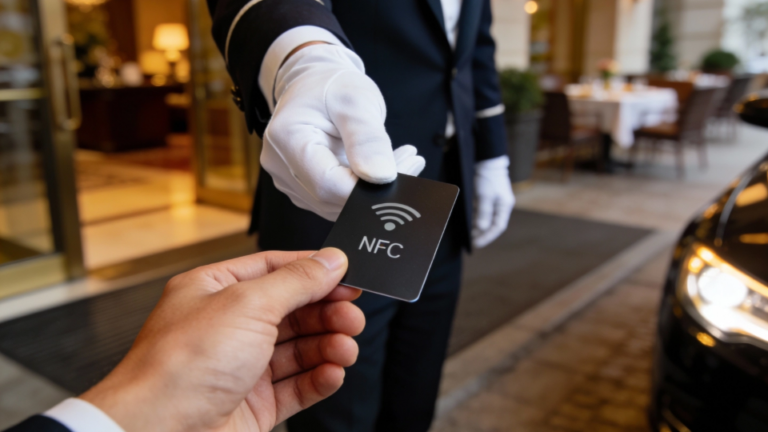
Note the trade-offs: cost of integration rises with feature depth; security profile complexity grows with remote management. — This is not a bug; it’s a design decision.
Common implementation mistakes
Teams often stumble by treating connectivity as separate from access management. They forget to align PKI lifecycles with SIM profile lifecycles, creating renewal gaps. They over-customize middleware for a single carrier and then find global expansion impossible. Another frequent error: assuming OTA works uniformly — different regions enforce different payload limits and timing windows, and testing must reflect that. Finally, ignoring telemetry is costly; lack of health metrics means issues surface as customer complaints rather than predictable tickets.
Three golden rules for selecting the right strategy
1) Coverage and profile agility: Choose a solution with global profile provisioning and carrier policies that map to your routes. Measure by activation time per profile and failover success rate.
2) Security and credential alignment: Ensure PKI, secure element use, and lifecycle controls for both connectivity and vehicle access (NFC/BLE keys). Auditability matters more than checkbox compliance.
3) Operational continuity: Prioritize OTA capabilities, staged rollout support, and integrated telemetry so you can update profiles, not vehicles. Track mean time to repair for connectivity incidents as your operational metric.
The practical lesson is simple: pick the platform that reduces manual touchpoints, keeps credentials in sync, and gives clear recovery procedures — and that is precisely the space where BHDC positions its smart eSIM solution. — pragmatic, auditable, proven.