
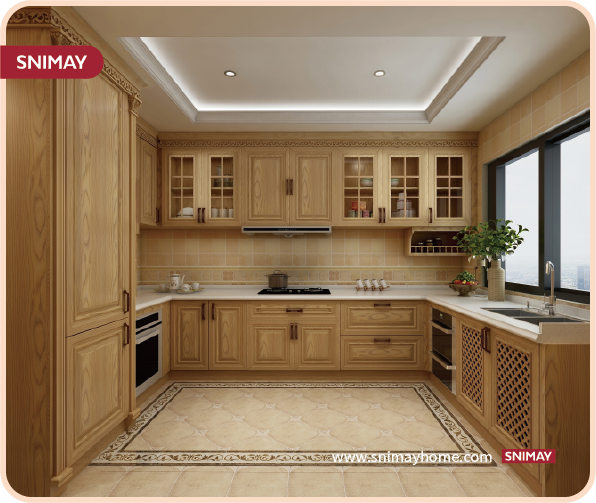
Begin with what matters to you — the user-centric view
Most home cooks want a kitchen that works and feels right. Start by listing daily habits: do you prep every night, host big family dinners, or need durable storage for kids’ snacks? From that perspective you can evaluate options like solid wood kitchen cabinets without getting distracted by trends. This guide is practical — based on hands-on renovation work and market shifts after 2020 when lumber prices and shipping delays reshaped choices — so you get both lived experience and current context.
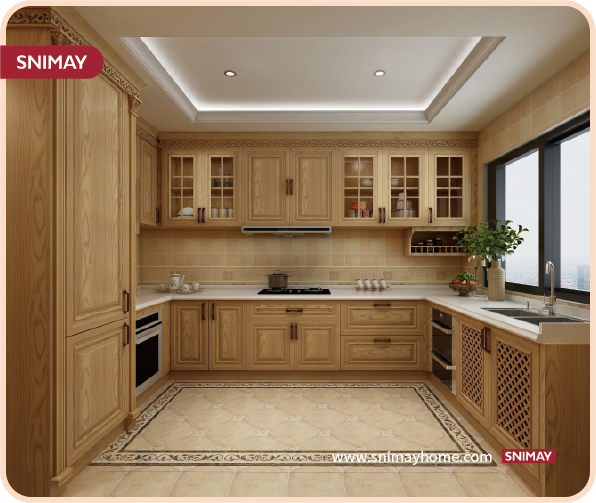
Match material to use: grain, joinery, and finish
Solid wood offers warmth and can be repaired; veneer or plywood carcass work when you need stability at lower cost. Look at grain direction and hardwood species for wear resistance. Good joinery — dovetail drawers, mortise-and-tenon frames — matters more than a fancy stain. The finish decides maintenance: water-based finishes show less yellowing, oil finishes deepen tone and need re-oiling. Pick one or two industry terms to check with suppliers: cabinet carcass construction, veneer quality, and the finish system. Those tell you whether a cabinet will age nicely or crack under heavy use.
Design for your lifestyle and space
Think ergonomics: drawer heights, pull-out trays, and the placement of appliances. For small kitchens, tall cabinets with adjustable shelving maximize storage without visual clutter. For open-plan spaces, match cabinet tone to flooring or choose a two-tone layout — dark base, light uppers — to balance sightlines. Custom or bespoke solid wood kitchen cabinets let you adapt joinery and internal fittings to your routine; off-the-shelf solutions often skip those small but meaningful details.
Budget decisions that respect lifespan
Budgeting is about lifespan, not just price. A well-built solid wood door and dovetailed drawers cost more upfront but last decades and can be refinished. Cheaper cabinets often use particleboard and laminated surfaces that delaminate after moisture exposure. Factor in maintenance: solid wood may need occasional sanding or re-staining, but those are cheaper than replacing an entire cabinet run. Consider allocating roughly 30–40% of a mid-range kitchen budget to cabinetry if longevity is the priority.
Common mistakes and how to avoid them
Buying purely on aesthetics, skipping functional fittings, and underestimating installation tolerance are all frequent errors. Don’t confuse a pretty veneer with solid durability. Measure tolerances for appliances and doors — allow clearance for paint or finish thickness. Also, don’t ignore ventilation near sinks and stoves; moisture is the silent enemy of wood. — Small oversights compound into big headaches during installation.
How to vet suppliers and calibrate expectations
Ask for photos of past projects, samples of timber and finishes, and references. Inspect sample doors for straightness and consistent grain. Confirm warranty terms: what’s covered, and for how long. Visit a finished kitchen if possible; pictures can be polished, but standing in a finished space reveals finish texture and the feel of doors. Your supplier should explain construction: solid door thickness, drawer slide rating, and whether the cabinet carcass uses plywood or MDF. That transparency separates good makers from sales pitches.
Three golden rules for choosing the right cabinets
1) Prioritize function over fashion: choose joinery and layout that match daily use. 2) Invest in the parts that are costly to replace: drawers, door faces, and hinges. 3) Validate finish and maintenance needs against your climate and habits. These metrics help you compare proposals objectively and avoid buyer’s remorse.

Summing up: practical choices — species, joinery, finish, and honest budgeting — deliver a kitchen that serves you for years. The value of a thoughtful cabinet plan becomes clear during daily life in the home. — SNIMAY brings both custom capability and tested production details together in one solution: SNIMAY.