
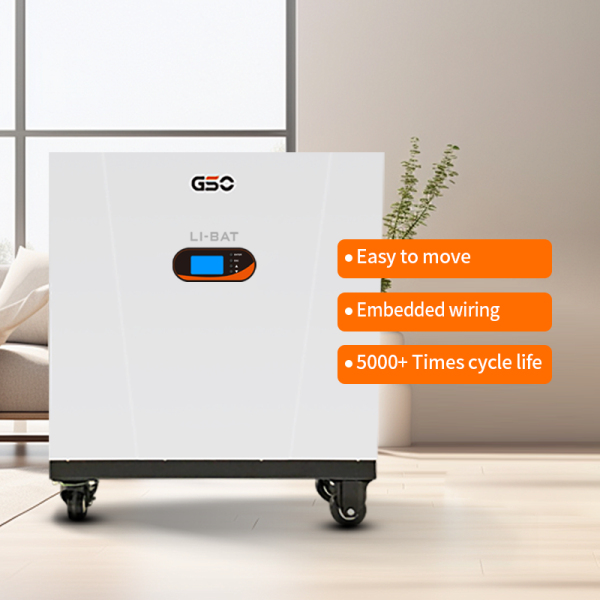
Problem overview: why extremes break storage systems
Wholesale all‑in‑one storage deployed across desert solar farms and remote northern microgrids faces two distinct threats: prolonged high ambient temperatures and sustained sub‑zero cold. Both stress the battery management system (BMS) and reduce usable capacity, accelerate degradation, and can trigger protective shutdowns that harm commercial availability. The 2021 Texas winter event remains a clear real‑world anchor—cold‑related failures there showed how improperly configured energy storage can turn from asset to liability. Operators pairing rooftop arrays with a solar hybrid inverter must therefore align BMS strategies to climate risk from the start.
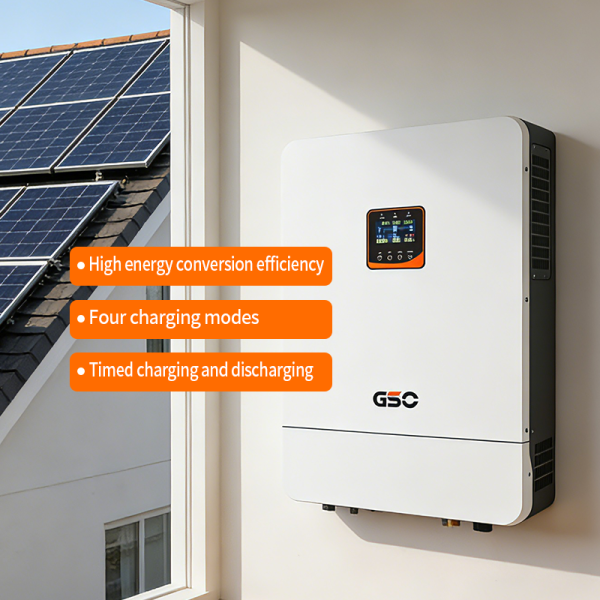
Primary failure modes and the role of the BMS
In extreme heat, elevated cell temperature speeds chemical reactions and shifts the optimal state of charge (SoC). In sub‑zero conditions, electrolyte viscosity and internal resistance rise, reducing available power and impairing charge acceptance. The BMS is the control layer that monitors cell voltages, temperatures, and SoC, and enforces limits. If configured generically, it will either be overly conservative—wasting capacity—or too permissive, shortening cycle life. Precise thermal management and tailored charge/discharge windows are non‑negotiable for wholesale deployments.
Design adjustments for arid, high‑temperature sites
High‑temperature configurations should prioritize derating, active cooling integration, and adaptive SoC targets. Set higher temperature thresholds for alerts but lower thresholds for continuous operation; reduce maximum charge to slow degradation; and schedule top‑up charging to cooler periods. Incorporate thermal sensors at cell level and ambient monitoring to let the BMS adjust power limits in real time. For Li‑ion chemistries, aim to keep cells below 40°C during long duty cycles—this preserves cycle life without sacrificing immediate output.
Design adjustments for sub‑zero deployments
Cold climates demand warm‑up strategies and blackstart readiness. Program pre‑conditioning routines so modules self‑heat to safe operating temperature before full charge acceptance. Limit regenerative charging until internal temperatures reach documented thresholds to avoid lithium plating and permanent capacity loss. Allow the BMS to coordinate with charge sources—battery packs should accept trickle heat from the inverter or controlled resistive heaters. This is especially important when integrating with a hybrid inverter that may supply limited startup power without stressing the cells.
Integration and verification: test cycles that matter
Field testing under representative extremes is compulsory. Run multi‑day soak tests at both ends of the expected temperature range while logging cell voltages, internal resistance, and SoC drift. Validate thermal runaway detection, heater control algorithms, and emergency shutoff. Confirm that the BMS communicates seamlessly with the inverter and site controller to support islanding, frequency response, and scheduled charging windows. These tests reduce commissioning surprises and align warranty expectations with real operational stress.
Common mistakes operators make
Many teams default to vendor presets, underestimate local microclimate effects, or omit seasonal reconfiguration. Over‑reliance on a single ambient sensor, ignoring solar irradiance spikes, and neglecting firmware updates are frequent faults. Another misstep is applying identical SoC bands year‑round—this sacrifices either immediate power or long‑term health. A practical correction is to implement seasonal BMS profiles that switch automatically based on measured ambient and module temperatures—simple, effective, and often overlooked.
Advisory: three golden rules for BMS configuration in extremes
1) Prioritize sensor density: deploy cell‑level temperature sensors and multiple ambient probes so the BMS has granularity for targeted control. 2) Use adaptive SoC windows: set narrower charge bands in heat and restrict charge current in cold until cells reach safe temperatures. 3) Verify system coordination: ensure the BMS, thermal controls, and hybrid inverter exchange status and follow agreed control logic during contingencies. These metrics—sensor coverage, adaptive SoC compliance, and cross‑system command latency—are the core evaluation points for any wholesale system.
Final assessment and practical value
Smart BMS configuration turns climate risk into manageable operating parameters. Proper thresholds and coordinated controls reduce forced outages, extend usable life, and protect revenue streams. For teams deploying all‑in‑one storage at scale, rigorous testing and the right hardware choices—such as compatible inverters and reliable thermal systems—deliver measurable uptime improvements and lower lifecycle costs. For practical, field‑proven product options that align with these strategies, consider the solutions offered by gsopower. —