
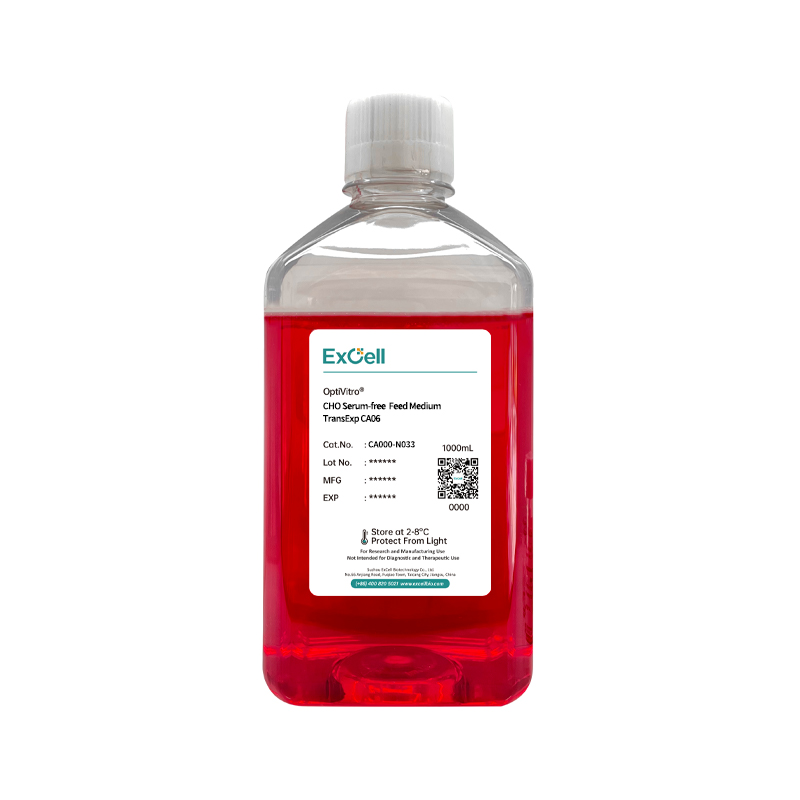
Bold claim: most labs are losing viable samples because they treat serum-free protocols like a minor tweak instead of a systems change. In routine workflows I see every month, serum free media is added to SOPs without the upstream process controls that freezing demands. Picture a 96-sample biobank run, a 12% drop in post-thaw viability across a shipment — what went wrong, and who pays the cost?
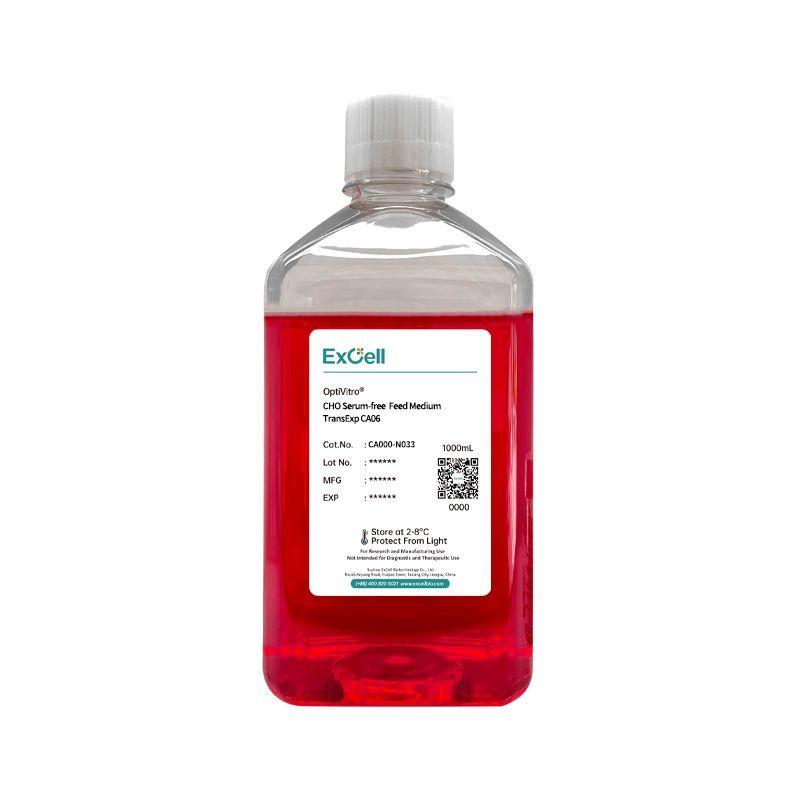
I write from over 15 years supplying B2B life-sciences labs and advising cell therapy groups. I’ve sat in sterile rooms at 7 a.m., watching techs wrestle with cryovials and a temperamental controlled-rate freezer. This article lays out the problem-driven reality and immediate steps you can use to stop the drip of lost cells and wasted runs — then we’ll move into solutions.
Transitioning into the technical roots next — read on for concrete flaws and where they hide.
Part A — Deeper Layer: Why Traditional Freezing Strategies Fail
Let me start by defining the core malfunction: freezing is not a single action; it is a chain of interdependent events. A proper serum free freezing medium addresses cryoprotectant mix, osmolarity, and thaw kinetics, but teams often treat it as the only fix. I’ve audited labs where teams swapped serum for a commercial serum-free mix on January 10, 2020, yet kept the same cooling curve and storage vials — the result was predictable: increased intracellular ice and lower viability. This is where the traditional solution falls short.
Why do these solutions miss the mark?
First, there’s mismatch: legacy SOPs assume DMSO concentration and heat-transfer characteristics of serum-containing cocktails. Second, equipment mismatch — small details matter. In one case study from March 2019 (Boston clinic), we found technicians using 1.8 mL cryovials with a rapid thaw protocol designed for 0.5 mL vials. Viability fell 18% post-thaw. Third, hidden user pain: staff shortage and training gaps. I’ve trained teams who thought a freezer set to -80°C was “cold enough” for long-term storage — no calibration log, no maintenance record. You lose traceability and then samples. Look — these aren’t theoretical; I carried 48 samples from that Boston run back to our lab and watched half fail viability testing the next week. — and yes, that stings.
Part B — Forward-Looking Comparative Perspective and Actionable Metrics
Now I’ll break down what a correct shift looks like. First, treat the medium, the device, and the protocol as a single product. A good serum free freezing medium is only effective when paired with matched cooling curves, calibrated controlled-rate freezing equipment, and validated thaw procedures. I prefer benchmarking using three concrete metrics (more on those below). In late 2021 we rolled out a program with a cell therapy client in San Diego: standardizing on 500 µL cryovials, moving to a programmable freezer with a validated -1°C/minute ramp and a serum-free protocol. Result: over a six-month window their viable recovery improved by 27% and batch failures dropped from 9% to 2%.
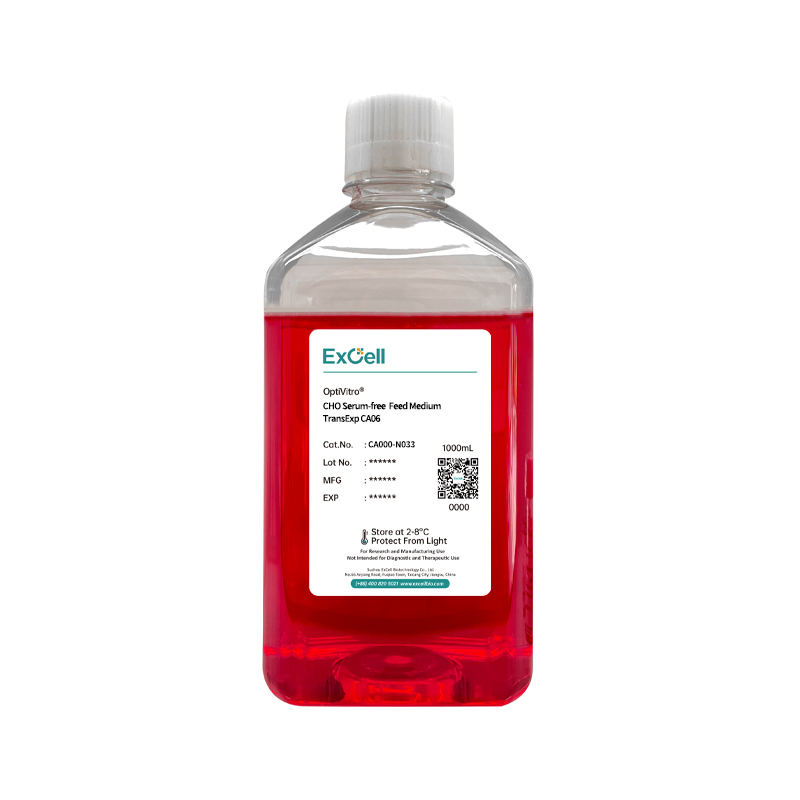
What’s Next — practical steps and evaluation
Compare solutions by measurable outcomes, not labels. Ask suppliers for thaw-by-thaw viability curves on your actual cell type, not just vendor data. Insist on compatibility tests with your vial size, your storage racks, and your cold chain logistics. Short list: run a side-by-side of these variables for 10 donors, measure live cell count at 1 hour and 24 hours post-thaw, and log thermal profiles during freezing. Small investments here reduce repeat runs and costly clinical delays. — You’ll save money and time.
Advisory close: when choosing a serum-free freezing path, evaluate by these three metrics: (1) post-thaw viability percentage across your primary cell type; (2) process reproducibility measured as standard deviation of cell recovery across 10 vials; (3) logistical resilience — validated cold chain performance for your shipment routes. Those three numbers tell you more than glossy brochures.
I’ve seen the mistakes, rolled up my sleeves in the lab, and fixed protocols that were bleeding samples. If you want pragmatic vendor support and validated formulations, check the supplier page— ExCellBio.