
Introduction: A Quick Reality Check for Deployment Leads
Fast charging projects don’t fail because of big mysteries—they fail for small, predictable choices. Your EV charger power module is one of those choices that can make or break uptime. Picture a retail plaza adding four fast chargers before summer. The lot fills after 5 p.m. (peak heat, peak demand), and by week three the system starts throttling. Studies show that site-level derating can cut delivered energy by double digits in hot months. So ask yourself: are you selecting modules for lab numbers or for real weather, real queues, and real billing rules—funny how that works, right?
We’ll compare common spec traps with smarter moves, so you can design once and avoid rework later. Ready to see what matters most in the field?
Deeper Look: Why Legacy 40 kW Designs Struggle When the Lot Gets Busy
Where do legacy designs fall short?
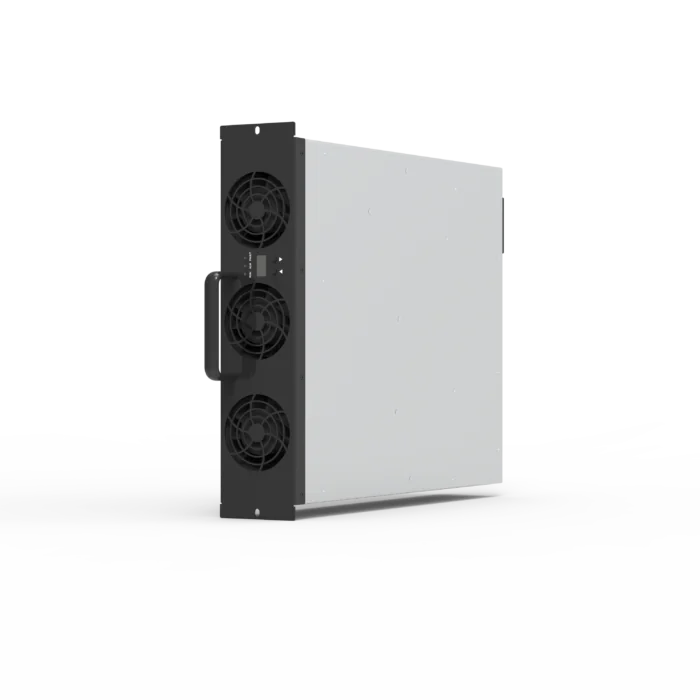
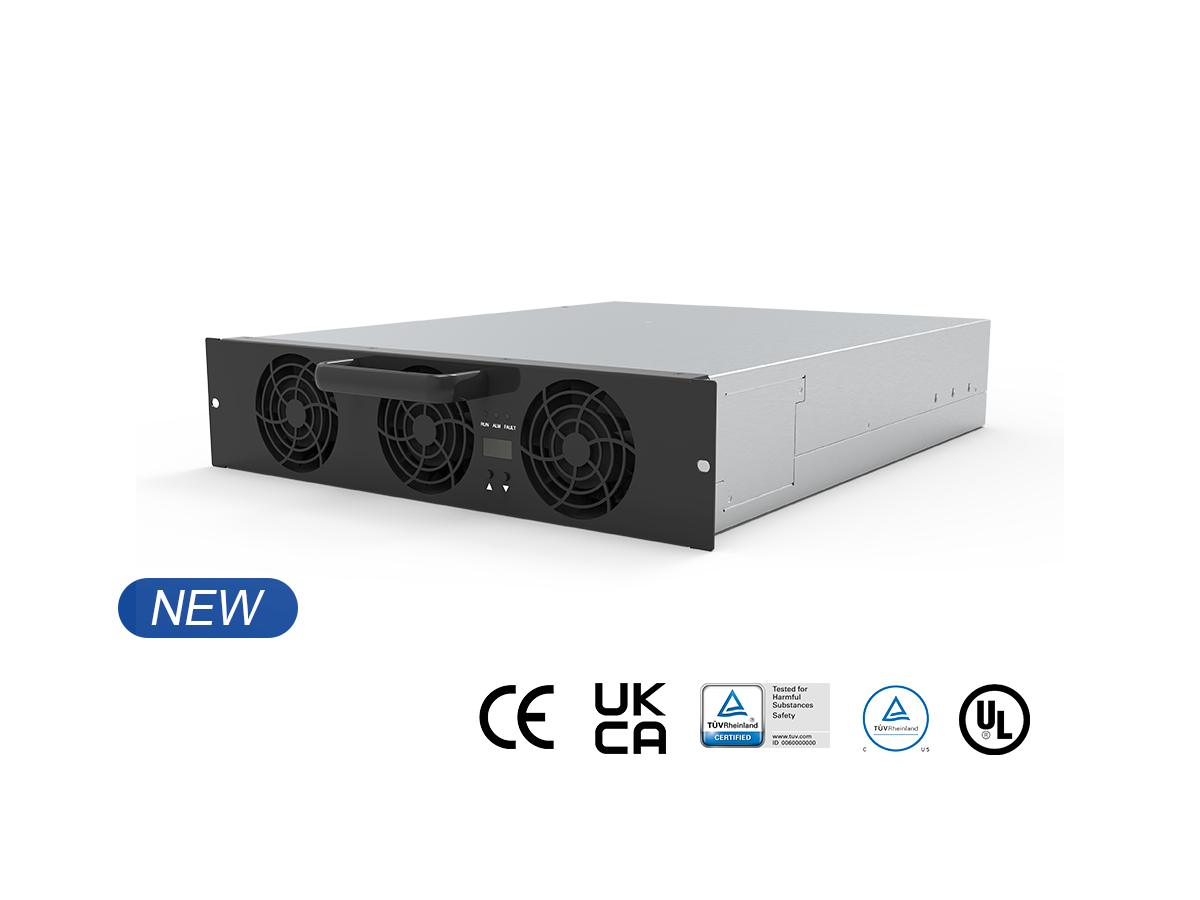
The first clue is hidden in the datasheet. A modern 40KW charging module may promise headline power, but older design patterns often deliver less under heat, low airflow, or uneven loads. Traditional stacks rely on aggressive power factor correction (PFC) tuned for ideal lab lines, not noisy grids. They also work with narrow control windows, so thermal derating kicks in fast. Look, it’s simpler than you think: if a module’s efficiency curve falls off at partial load, every queue spike costs you time and money. And if the unit lacks robust galvanic isolation, field faults can ripple across cabinets.
Communication is a second weak link. When the module only speaks a basic CAN bus profile, diagnostics feel like guesswork. Operators see “reduced output,” but not the why. Is it inlet temperature, fan RPM, or line sag? Without granular telemetry, you chase ghosts. Older power converters also assume steady cooling that real cabinets don’t have. Dust, tight ducting, sun on the western wall—these push airflow down and component stress up. The result is throttling under normal duty, not just heat waves. That’s why sites pass commissioning yet stumble by week six—because the control loop and the mechanics were never matched to actual dwell times and weather.
What’s Next: Smarter Modules and How They Change the Math
Real-world Impact
Forward-looking designs treat the module like a small computer that moves power with insight, not just force. New topologies use wider safe operating areas and predictable cooling models—so the same cabinet delivers closer to nameplate power, longer. Families like AC to DC power modules 30 push this idea by tying digital control to better thermal sensing and tighter line monitoring. The principles are simple: stabilize input, shape output under transient loads, and keep the efficiency curve high at partial load. With SiC MOSFETs and smarter fan maps, you hold steady even when the lot turns over fast.
This shift is comparative, not just futuristic. Old stacks chase peak watts; new stacks optimize delivered kilowatt-hours per hour, cabinet by cabinet—funny how that flips the KPI. Predictive alerts flag rising inlet temps before derating. Redundant interleaving lets one slice rest while another carries. And richer data means faster root cause: is it grid sag or a clogged filter? Summing up, the lesson so far is clear: design for heat, for variability, and for data you can act on. To choose well, use three simple checks: 1) Verify sustained output at 40°C ambient without severe thermal derating; 2) Compare efficiency at 20–60% load, not just at full power; 3) Demand deep telemetry over CAN or Ethernet—fault codes, temperatures, and fan status you can trust. That’s how you spec once and sleep better. For more technical context, see winline EV charger.