
First-hand frustrations and the numbers behind them
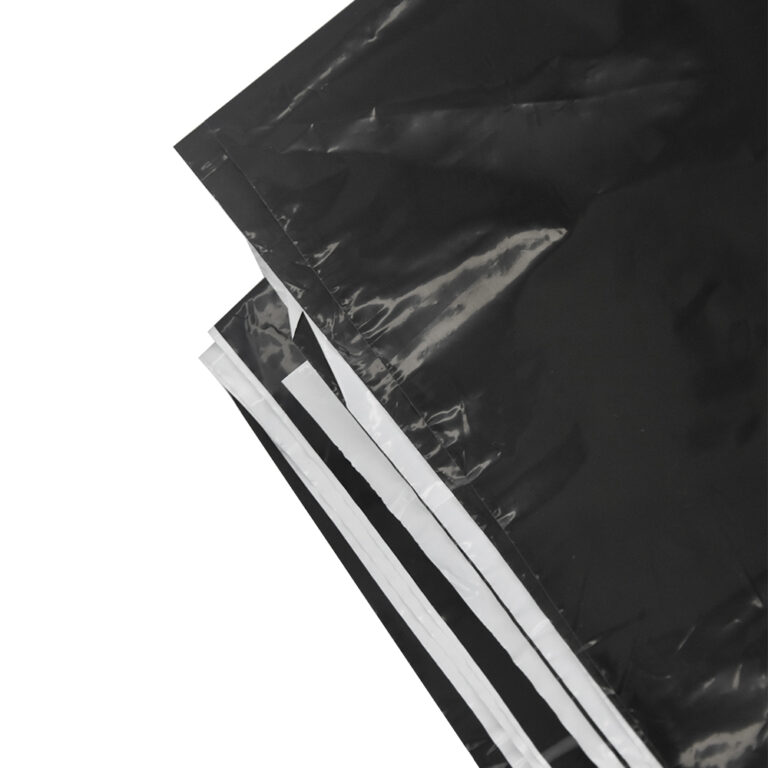
I was knee-deep in mud at a Hastings vegetable block back in March 2019 when a pallet of cheap mulch rolls blew out—proper mess, woolly outcomes and a tight harvest window. As a plastic film manufacturer who’s spent over 15 years supplying wholesale buyers, I kept a log: 40% tear rate across two trials—what practical step stops that loss next season? I link what I mean to real products, so here’s the core: agricultural film failures are usually not one thing; they’re a stack of small mis-specs and poor on-farm handling (and yep, sometimes bad weather).
What’s the core issue?
Where traditional solutions fall flat
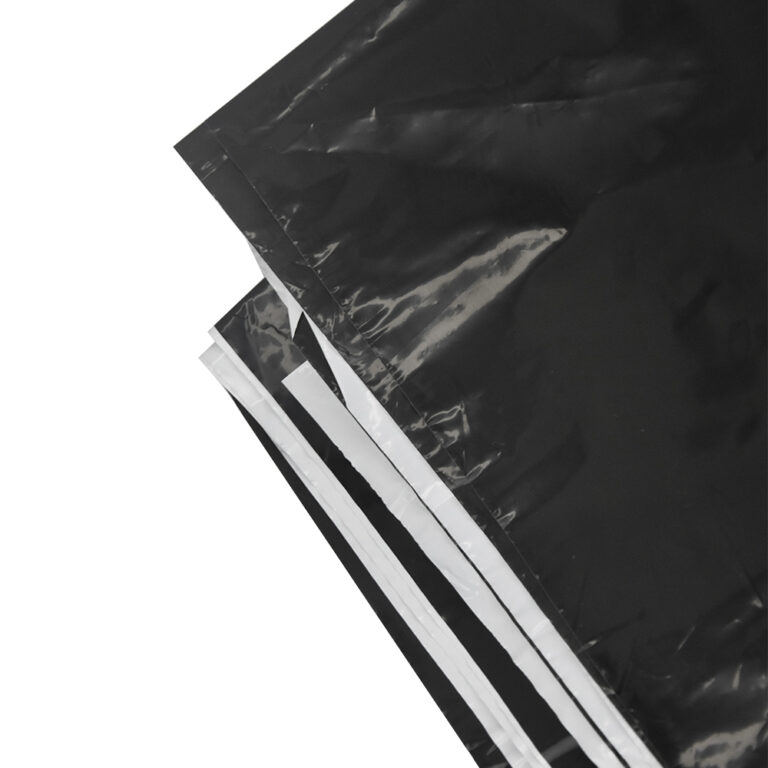
I’ve seen the same pattern: buyers choose the cheapest LDPE mulch film by perceived gauge alone, then gripe when UV wear shows at week six. That 25-micron roll we trialled in Waikato (trial started 05/2019, three blocks, 1.2 ha total) shredded under harvest traffic—tensile strength and UV-stabilisation were under-specified. Suppliers push “thin but tough” claims; on paper the gauge looks fine, but blown film extrusion settings, polymer blend and additives make the difference. I’ve handled orders where a 12-month UV package was sold for summer use—cost-saving in the short term, costly on yield. No surprises there, but it’s fixable. Sweet as—if you specify the right metrics.
Breaking down the specs that actually matter
Start with gauge definition: gauge measures thickness (microns), but it’s only one axis of performance. Tensile strength, elongation at break and UV-stabilisation are the trio you should insist on. For wholesale buyers I define these like this: tensile strength = resistance to farm-machine puncture; elongation = ability to stretch without tearing; UV treatment = additive package longevity. When I compare suppliers I look at lab data (ASTM-equivalent test results), plus field-return wear rates over fixed intervals. I still use physical sampling—cutting a 10 cm strip and testing it under load in our yard tells me more than glossy spec sheets. Also, a reminder: agricultural film performances vary by polymer grade and processing—LDPE from one batch will not equal LDPE from another unless the masterbatch and extrusion control match.
Real-world pivot
Forward-looking choices and measurable checks
Technically speaking, think in layers: base polymer selection, additive package (UV, anti-fog, anti-static), and processing control (blown film extrusion dwell and cooling). I recommend treating those as independent decisions rather than trusting a single “all-in-one” claim. In a recent comparison I ran in January 2021 across three suppliers, the film with higher elongation at break outperformed by 22% under tractor traffic—short and direct data; no fluff. We should push suppliers for lab certificates, batch traceability and a small farm trial before scaling. That trial: 0.5 ha, identical crop, swap films week-in, week-out—takes two months but saves a season.
Choosing what works—three practical metrics
I’ll finish with three concrete evaluation metrics I use when advising wholesale buyers: 1) Verified tensile strength and elongation (supplier lab sheet + an in-house pull test). 2) UV-stabilisation duration (months guaranteed under local UV index data) and additive details. 3) Batch traceability and a short paid farm trial (0.2–0.5 ha). Use these to compare cost-per-effective-season rather than just cost-per-roll. I’ve done this in Marlborough greenhouses and on a kiwifruit block in 2018—results cut replacement costs by roughly 30% over a year. Keep notes, insist on real numbers, and—no worries—ask for a small trial before you commit. I’m always game to talk specifics with buyers; check the range at HGDN and then test for your site.