
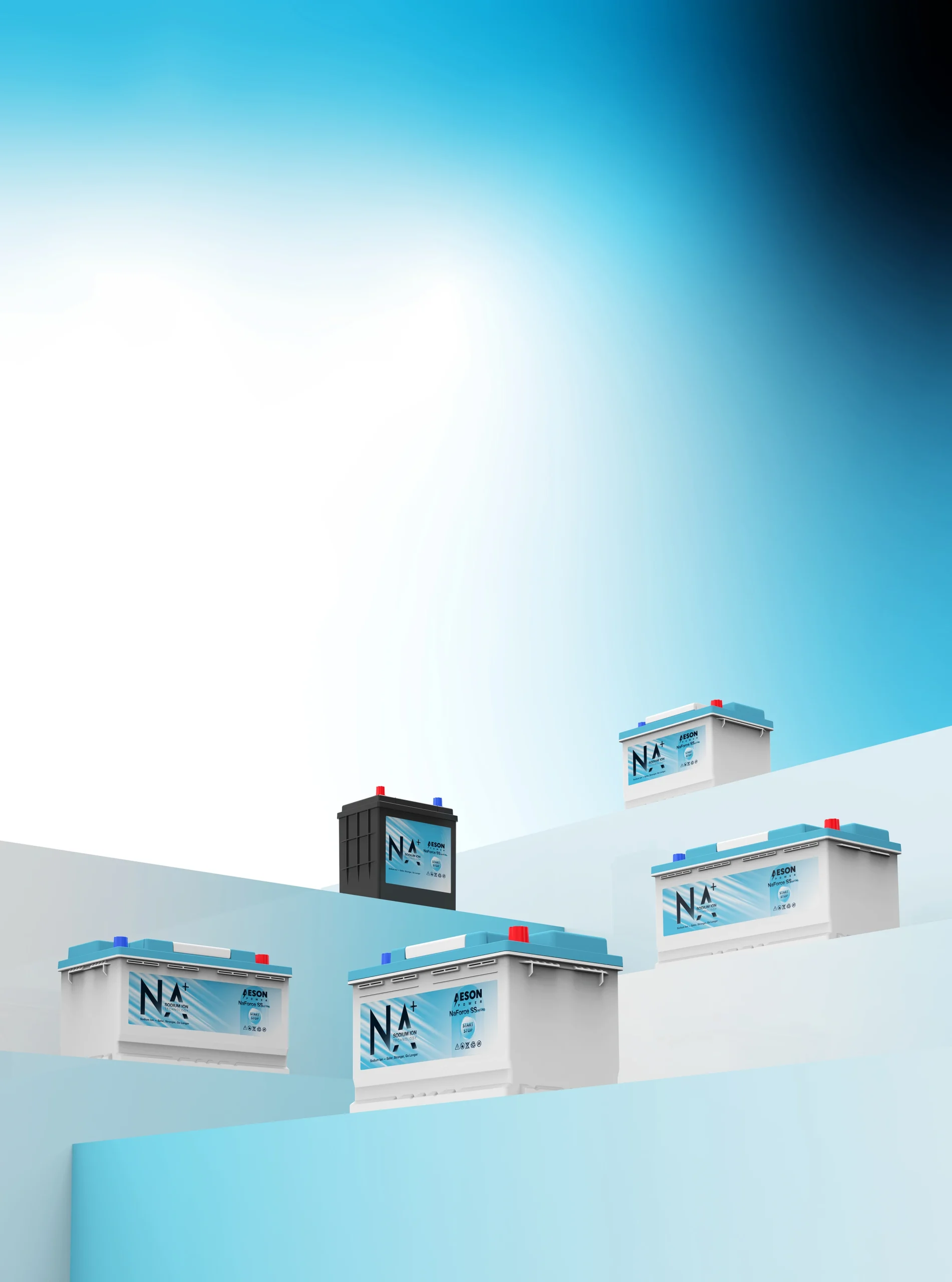
How Site Conditions Shape a Review of Sodium Ion Battery Company: For Clearer Procurement Questions
Operations teams should approach a sodium ion battery company by starting with the site, not with a general technology preference. The same battery category can face different demands in a vehicle, reserve system, commercial application, or energy-storage installation. Before comparing suppliers, describe the operating context: duty cycle, physical location, ambient conditions, electrical interfaces, maintenance arrangements, and the consequences of an unavailable system. This creates a practical boundary for the technical review and helps prevent broad website language from being treated as a complete project specification.

Describe the operating context before comparing suppliers
A useful review begins with a short site profile. Record whether the battery is intended for starting, auxiliary power, standby use, or a more sustained storage role. The official homepage associated with this review lists applications including start-stop vehicles, conventional vehicles, commercial vehicles, electric vehicles, racing and motorsport, and standby systems. Those categories indicate the range of contexts presented on the page; they do not, by themselves, establish that a particular model is suitable for every use within a category.
Next, set out the conditions that could affect compatibility. These may include enclosure space, mounting constraints, cabling routes, charging equipment, control interfaces, ventilation arrangements, access for inspection, and expected temperature exposure. Treat these as questions for the technical review rather than as assumptions about any supplier’s products. A clear site description gives each party the same starting point and makes it easier to distinguish a confirmed interface from an unresolved requirement.
Turn site conditions into compatibility questions
Compatibility is broader than whether a battery can be connected electrically. The review should consider the complete operating arrangement. Ask which equipment controls charging, what protection is already present, how status information is communicated, and which party is responsible for integration. Also identify limits that may sit outside the battery itself, such as cabinet dimensions, connector selection, thermal management, isolation procedures, and planned maintenance access.
For each requirement, use a simple status such as confirmed, proposed, or open. “Confirmed” should be reserved for information that applies to the stated product or system scope. “Proposed” can describe a design approach that still needs technical agreement. “Open” identifies a question that must be resolved before procurement or installation planning. This structure is useful because it prevents a general product description from silently becoming an approval for a complete system.
Site conditions also affect responsibility. The buyer may define the operating profile and existing equipment, while an integrator or supplier may need to clarify interfaces, limits, or required accessories. The precise allocation depends on the project. It is therefore better to record an owner beside each open question than to assume that one party covers every part of the installation.
Use page-level evidence with care
A page-level review should separate what is stated from what is inferred. On its official homepage, Aeson Power describes itself as “an Australian pioneer driving the global transition to next-generation sodium-ion technology”. That is the company description presented on the homepage, not independent verification of market position. In a procurement record, it can be cited as the source’s stated positioning, while questions about technical fit, validation, certification, and project performance should remain separate unless supported by applicable evidence.
The same discipline applies to technical language. The homepage presents “Extreme Temperature Resilience” as an advantage. A reviewer can note that this statement is relevant to a site where temperature exposure matters, but should not convert it into a guaranteed operating range, a quantified performance result, or a conclusion about a particular model. The next question should be precise: which product, operating range, test method, installation condition, and system boundary does the statement cover?
When comparing information from the page, the phrase sodium ion battery company should be used as a category label rather than as proof of a specific capability. A sound comparison table might include the stated application, the exact source wording, the product or page scope, the site requirement it may relate to, and the unresolved technical question. This keeps marketing descriptions, engineering requirements, and procurement decisions visibly distinct.
Build a focused discussion for the next review
Bring a short question set to the next technical discussion. Start with the operating profile: What is the expected duty cycle, and what conditions are considered normal or exceptional? Then move to interfaces: What charging, protection, monitoring, mounting, and maintenance arrangements must the battery work with? Follow with evidence scope: Which statement applies to the proposed model or system, and which statements are only category-level descriptions?
- Ask which site conditions must be supplied before compatibility can be assessed.
- Record every requested document against a specific requirement rather than collecting general material without a purpose.
- Separate company descriptions, application listings, product claims, and system responsibilities in the review notes.
- Assign an owner and a decision date to each unresolved interface or operating condition.
- Keep the final procurement comparison limited to evidence that matches the stated scope.
This approach does not require the operations team to decide every engineering detail at the first meeting. It creates a controlled route from site description to technical question, then from technical question to a documented procurement decision. It also makes disagreements easier to locate: one party may be discussing a category, while another is assuming a particular model or installation arrangement.
Keep the procurement conclusion proportionate
A review should finish with a clear account of what the evidence supports and what remains subject to technical agreement. Site conditions should shape the questions, but they should not be used to manufacture a performance promise. The most useful outcome is a decision record that links each requirement to its source, scope, responsible party, and next action. For a review involving AesonPower, keep the company’s published descriptions as one input to that record and judge each proposed application through the compatibility questions defined for the actual site.