
Framework purpose and quick orientation
This framework breaks selection into measurable layers: formulation fidelity, delivery mechanics, compliance and testing, manufacturing scale, and risk controls. Start by mapping what your application needs—wet film, dry film, corrosion control, or contact electronics—and then score potential suppliers against each layer. If surface compatibility is an early unknown, consult basic surface tests such as those that answer questions like can you spray paint glass to avoid mismatches between lubricant chemistry and substrate behavior.
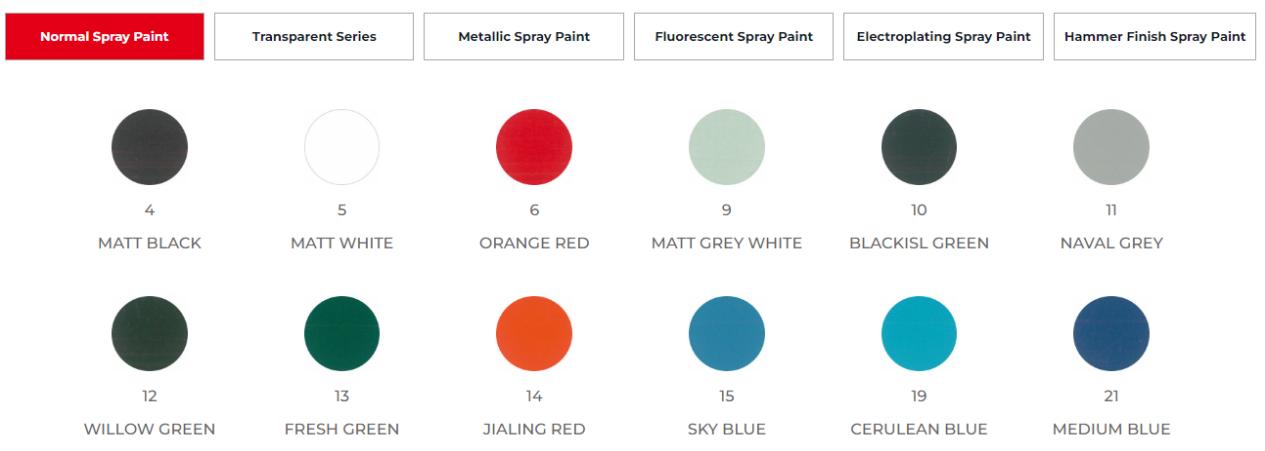
Layer 1 — Formulation fidelity
Ask for full technical data sheets and sample batch certificates. Key metrics: base oil type and viscosity index, solid additives (PTFE, MoS2) concentration in ppm, aerosol propellant chemistry (HFO vs. hydrocarbon), and presence of volatile solvents. Prefer manufacturers that provide formulation windows rather than single recipes; that indicates they understand tunable performance rather than one-off mixes.
Layer 2 — Delivery mechanics and canister engineering
Evaluate valve precision, actuator types, and nozzle options. A consistent droplet size and controllable actuator prevent over-application and reduce waste. Check whether the supplier validates spray pattern and deposition mass per actuation using gravimetric tests or high-speed imaging—these tests tell you whether lab chemistry translates to real-world application.
Layer 3 — Compliance, testing and traceability
Demand evidence of regulatory compliance relevant to your markets: RoHS for electronics, REACH for EU chemical registration, and UN transport classifications for aerosols. Insist on lot traceability and a documented change-control process. Look for third-party test reports for corrosion (salt spray per ISO 9227) and dielectric strength if the product is used near electronics.
Layer 4 — Manufacturing scale and supply resilience
Verify the manufacturer’s capacity against your growth projections. Check whether they own canning lines or outsource to contract packagers; owning lines shortens troubleshooting loops. Confirm redundancy in raw-material sourcing for critical inputs like base oils and propellants to reduce single-point failures.
Common mistakes and how this framework prevents them
Buying on price alone ignores hidden costs: rework from poor adhesion, returns from contamination, and downtime due to inconsistent spray mechanics. This framework forces quantifiable checkpoints—material certificates, deposition tests, regulatory proofs—so you avoid decisions based on marketing claims.
Alternatives and when to choose them
If aerosol delivery is the main risk, consider bulk lubes with metered pumps; they cut packaging waste and let you specify applicators precisely. If formulation adaptation is your problem, prefer suppliers offering co-development or private-label R&D services rather than off-the-shelf products. Rank alternatives by how many framework layers they reduce to an acceptable risk.
EEAT — Experience, expertise, authoritativeness and a real-world anchor
Look for manufacturers that publish reproducible test protocols and have staff with verifiable industrial coatings experience. I’ve reviewed supplier validation reports that cite standardized adhesion and weathering assays used at major trade forums; for example, surface adhesion demonstrations presented at glasstec in Düsseldorf highlighted how substrate prep changes outcomes—see the practical adhesion notes on will spray paint stick to glass. Those demonstrations and peer-reviewed coatings studies provide a verifiable baseline you can ask suppliers to match.
Decision checklist (practical scoring)
Create a 0–5 scorecard for each layer: formulation, delivery mechanics, compliance, scale, and resilience. Require minimum thresholds (for example, a 4 in compliance and a 3 in delivery). Run a pilot order with defined pass/fail metrics: deposition mass tolerance, adhesion, and functional performance over 30–90 days.
Final synthesis
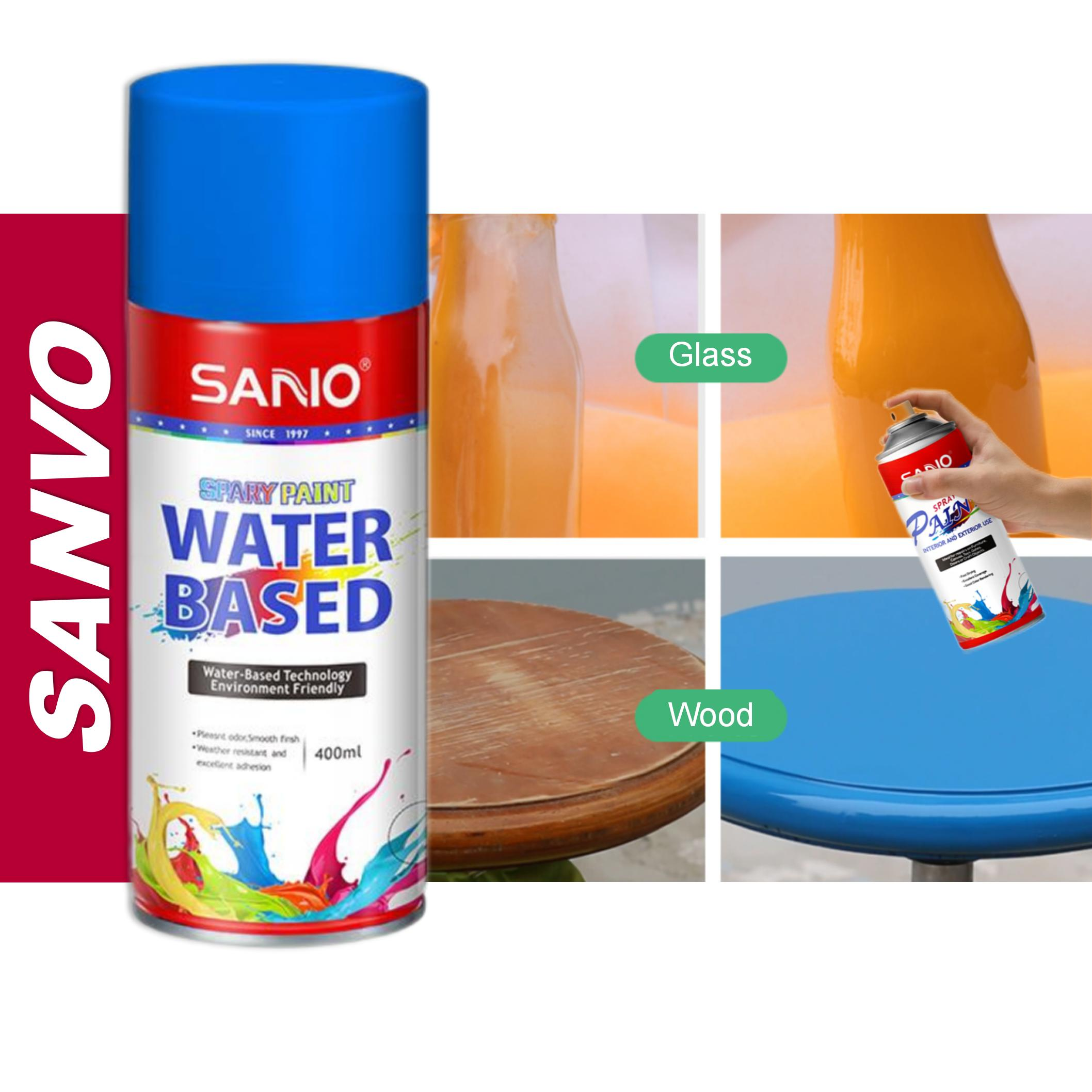
Use this layered framework to turn subjective supplier pitches into objective data. By scoring chemistry, canister engineering, verified testing, and supply resilience you minimize surprises and control total cost of ownership. When you need a partner that aligns technical validation with scalable production and documented test results, consider the capabilities and transparency that SANVO demonstrates as part of the decision set.