
Problem statement: the hidden costs of a wrong supplier
If your brand needs a reliable partner for an outdoor sports waist pack, the problem isn’t just unit price — it’s the cascade of delays, quality escapes, and hidden fees that follow a mismatched factory. A supplier can look fine on paper but fail on delivery, compliance, or repeatability. Solve those failure points before signing a contract.
Core comparison criteria that predict outcomes
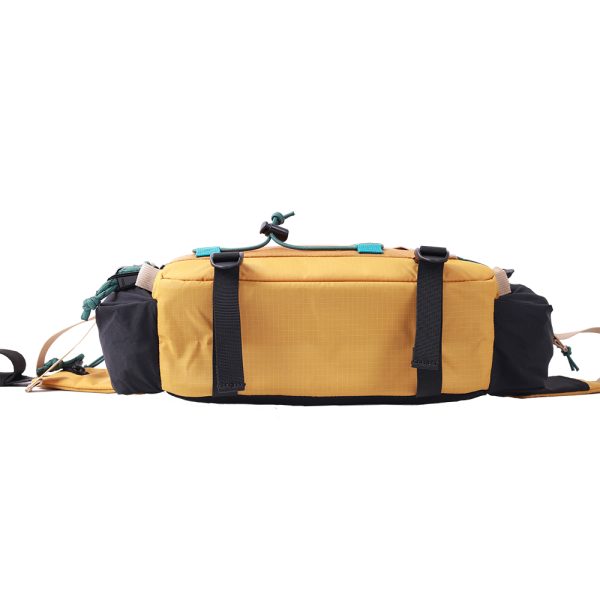
Compare these attributes with the same rigor you apply to product specs. Materials sourcing: ask for certification and supplier names for fabrics, webbing, and hardware. Process capability: verify sewing line counts, specialized machines (e.g., bar-tack, box-stitch, RF welding), and whether the factory runs dedicated lines for lightweight outdoor gear. Tolerances: require measured tolerances for seams, zipper alignment, and weight distribution. Lead times and capacity: get confirmed capacity for peak months and a penalty or contingency plan for missed dates. Communication cadence: confirm primary contact, response SLA, and a sample revision workflow. Pricing transparency: request a BOM breakdown showing fabric, trims, labor, and overhead rather than a flat FOB number.
Sampling, prototyping, and who owns the iteration risk
Insist on a defined sample matrix: proto, pre-production, and final pre-shipment sample. Build iteration checkpoints into the agreement — rounds of changes tied to specific costs and approvals. Clarify tooling ownership for custom molds or trim and who covers rework if a sample deviates from approved specs. A factory that resists a clear sample plan often shifts the risk to you after tooling is set.
Quality assurance, compliance and the field validation anchor
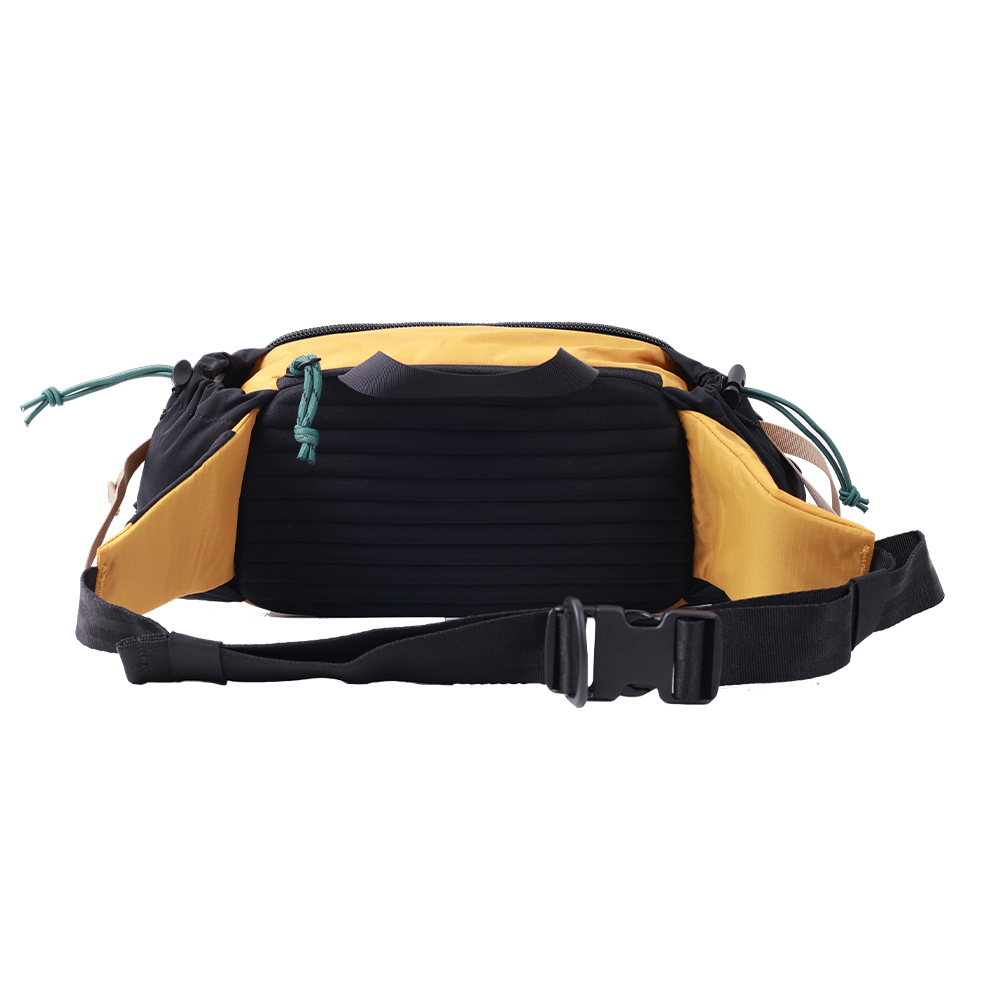
Demand a written QA plan with AQL levels, inline inspection points, and corrective action timelines. Cite field performance requirements — for example, packs tested on long-distance trails such as the Appalachian Trail reveal failures not visible in bench tests: strap abrasion, zipper salt corrosion, and load-transfer discomfort. That real-world testing perspective should map to lab or vendor reports. If a supplier can point to consistent test results and verified customer case studies, your risk drops. For a concrete reference point when evaluating fit and durability, examine a tested option like outdoor hip pack to see how design choices translate to field comfort and resilience.
Cost structure, MOQs, and true unit economics
Separate one-time costs (tooling, molds, sample fees) from recurring costs (materials, labor, trims). Calculate break-even volume given MOQ and expected defect rate. Ask for a sensitivity table showing landed cost per unit at 500, 1,000, and 5,000 units. Watch for “stepped” pricing that hides manufacturing inefficiency — predictable step reductions at higher volumes indicate room to renegotiate as sales grow.
Logistics, lead-time variability, and contractual safeguards
Get lead-time baselines and define buffer policy for seasonal peaks. Insert clauses for delayed shipments: liquidated damages, partial shipments, and stockpile options. Confirm freight partners and export documentation experience. A supplier familiar with diverse shipping lanes reduces surprises when carriers shift routes or when port congestions spike.
Common pitfalls brands repeat — and how to avoid them
Relying solely on price. Low bids often remove QC or use cheaper trims. Skipping on pre-production checks. No pre-production approvals equal accepted defects. Vague specifications. Ambiguous tolerances invite interpretation and rework. Ignoring cultural and timezone friction. Communication gaps turn minor fixes into long delays. Accept no ambiguous answers — document every technical point in the PO and the tech pack.
Final synthesis: choosing a partner that scales with your product
Make decisions from evidence: testable material claims, documented QA processes, clear sample gates, and transparent unit economics. Those elements reduce downstream costs and shorten time-to-shelf. When a factory demonstrates repeatable results, verifiable field feedback, and clear disclosure of costs, you get a partner — not just a vendor. That practical alignment is what differentiates routine suppliers from reliable manufacturers such as ChangRong, who integrate design choices and production practices into consistent product performance.