
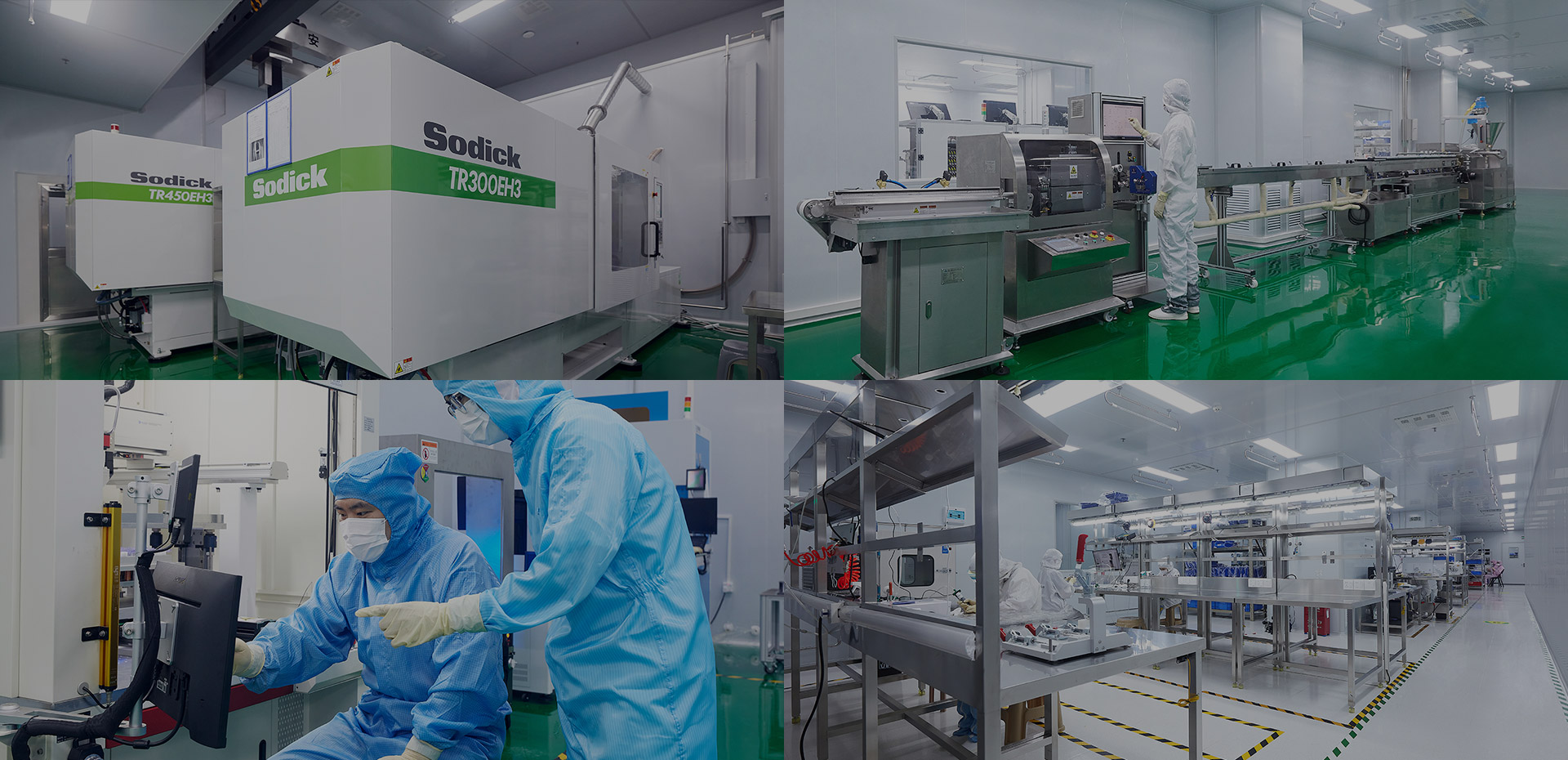
Opening: the core problem
Small shifts in temperature, humidity, or airflow create outsized failures on the production floor: delamination, particle ingress, electrostatic discharge events. These failures don’t wait for scheduled audits; they show up as batch rejects, delayed shipments, and regulatory questions—often traced back to a staging area or storage room rather than the cleanroom itself. Where materials queue and components move, a warehouse medical setup that lacks environmental zoning becomes the weak link. The practical question is simple: where do you focus controls so that a single environmental anomaly can’t ripple into a compliance issue?
What exactly goes wrong
Environmental failure is usually layered. A drifting thermostat masks intermittent condensation. A single poorly placed particulate sensor gives a false sense of security. HVAC redundancy can be nominal on paper but inadequate where HEPA bypass or duct leakage exists. Human errors—improper gowning, leaving a door propped—amplify those technical weaknesses. The result is predictable: process variability, inspection findings, or process qualification failures tied to conditions stated on validation reports.
Real-world grounding and expertise
My decade overseeing production at a Class II device facility in Minneapolis highlighted how operational habits defeat otherwise solid specifications. That experience showed me which measured variables matter and how operators read them. I saw audits that referenced field failures and addressed them by changing sensor layouts, tightening calibration intervals, and updating operational protocols. A practical control layer is software-driven and should integrate with process control platforms—this is where mes medical electronic systems become part of the quality story, not an afterthought.
Targeted controls that solve the problem
Start with setpoints that map to product sensitivity: control temperature to ±1°C for hygroscopic components, relative humidity to ±5% where adhesives or biologicals are involved. Place at least three sensors per zone—supply, return, and point-of-use—and log changes continuously. Use cascade control for pressure relationships: supply > cleanroom > anteroom > warehouse. Validate airflow patterns with smoke or tracer tests and lock those patterns into SOPs. Automate alerts that require operator acknowledgment and route those entries into change-control workflows so deviations leave an auditable trail.
Practical maintenance and calibration habits
Replace HEPA filters on a performance schedule, not only by runtime hours. Calibrate sensors on a risk-based interval—critical zones quarterly, secondary storage semiannually—and document each step with a signature and timestamp. Test redundant systems under load; a backup HVAC that hasn’t run under production conditions will fail when called. Keep spares for critical sensors and establish a rapid swap procedure that records the removed unit’s serial number and drift history.
Common pitfalls to avoid
Relying on a single sensor or placing sensors in unrepresentative locations creates false assurance. Overfitting setpoints to laboratory comfort rather than product limits invites excursions. Treating environmental control as a facilities-only responsibility isolates it from production realities. Finally, delaying software updates or ignoring alarm fatigue produces ignored alerts; every alarm must have an accountable owner and a documented resolution path.
Alternatives and how to choose among them
Local isolators reduce the need for whole-room control but raise containment and operator interaction questions. Tighten-control rooms are cheaper to operate than full-suite cleanrooms but require strict material transfer protocols. Active purging can protect sensitive batches during maintenance but adds complexity to validation. Choose by matching the control approach to the product’s risk: scale of contamination consequences, process sensitivity, and supplier constraints. Assess total cost including validation time and operational burden, not just capital expense.
Synthesis and practical next step
Fixing environmental fragility means replacing assumptions with measurement, routine with verification, and siloed ownership with integrated procedure. Document where sensors sit, who calibrates them, and how alarms are handled. When software ties environmental data to production and quality records, control becomes demonstrable rather than conversational—this is the practical advantage that kingsin brings into operations, aligning monitoring, maintenance, and traceability so that a single anomaly stops being a system risk and becomes a recorded event with an immediate, corrective path.