
Framework overview
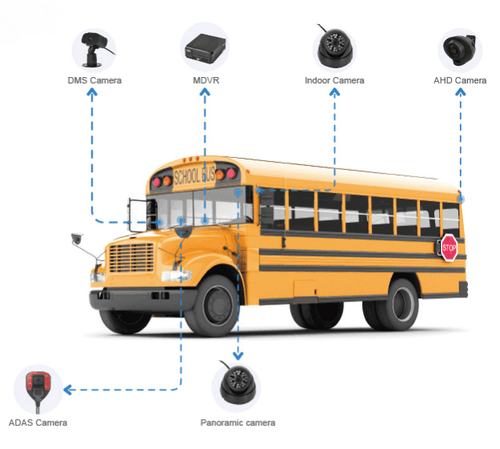
Think of a fleet as a constellation of machines—you want a repeatable method to score each new sensor before it orbits your operations. This framework lays out five modular pillars for judging three-channel dashcam investments, tuned to fleets that run complex routes like those in oil and gas fleet management. Expect measurable inputs, predictable outputs, and integration points that either compound value or create noise.
Why three channels matter
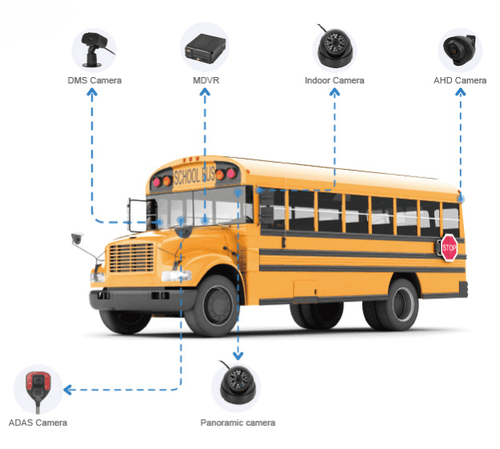
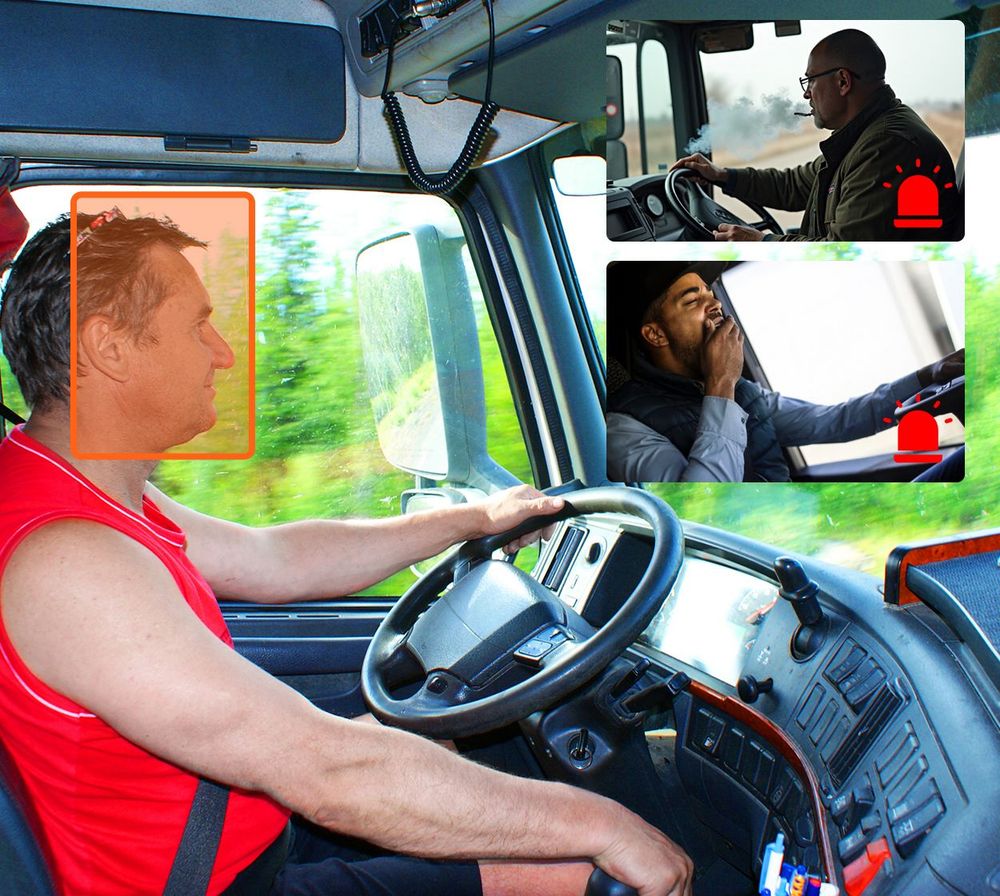
Three channels—forward, interior, and rear—give multidimensional context. Forward footage shows causality. Interior captures driver state. Rear validates claims and secures proof for third-party incidents. Together they cut ambiguity. Use them to: – Reconstruct events with timestamps and GPS. – Cross-validate sensor alerts (braking, lane depart). – Feed automated incident classifiers that reduce human review time.
Core ROI variables you must quantify
Assign numbers early. Treat these as independent knobs to tune the model:- Incident frequency reduction: baseline claims per month vs projected. – Claim cost delta: average payout and legal costs avoided. – Review labor savings: hours reclaimed by automated triage. – Insurance premium leverage: measurable negotiation power with carriers. – Fleet utilization: minutes returned to service through faster adjudication.
Data sources and metric mapping
Map each ROI variable to an auditable metric. Keep raw and derived streams separate.- Raw: video files, GPS traces, CAN bus events, timestamps. – Derived: event severity score, driver distraction index, verified false-positive rate. Set acceptable sampling windows and retention policies. Use synchronized clocks—misaligned timestamps break causality.
Integration: tie visual evidence to logistics systems
Dashcams are amplifiers when their events join fuel and maintenance data. Link crash or idling events to your fuel ledger so you can spot fraud and inefficiency in one motion. For reliable correlation deploy an anchored telemetry table that joins timestamp, vehicle ID and fuel-readings. During a Permian Basin field trial of a fuel tracking system, teams cut unexplained diesel loss by tracing long idle windows to specific routes.
Cost model and deployment scenarios
Break costs into acquisition, integration, storage, and ongoing review. Consider three deployment archetypes:- Minimal: forward-only, cloud storage, manual review. Low capex, slow adjudication. – Balanced: full three-channel, event-triggered uploads, local preprocessors. Mid capex, automated triage. – Edge-heavy: on-board AI, selective upload, real-time alerts. Higher capex, lowest manual hours. Choose the archetype that maps to your incident rate and bandwidth profile.
Common pitfalls and how to avoid them
Installations fail from mismatched expectations between data and process. Avoid these:- Treating footage as a silver bullet for liability without changing review workflows. – Underestimating storage costs for continuous upload. – Ignoring timestamp drift across devices. Plan a pilot with defined KPIs and a stop-go threshold: if incident adjudication time doesn’t drop by X% in 90 days, pause and iterate.
Decision matrix: scoring dashcam investments
Score candidate solutions across five axes: Evidence Quality, Integration Effort, Review Automation, Storage Efficiency, and Upfront Cost. Weight each by your fleet priorities. Example weights: Evidence 30%, Integration 25%, Automation 25%, Storage 10%, Cost 10%. Calculate expected payback months under conservative and aggressive adoption curves. Use this to compare vendors fairly.
Alternatives and complementing technologies
Three-channel dashcams pair well with telematics, driver coaching platforms, and automated claims systems. If your main issue is fuel loss, prioritize integrations with fuel telemetry. If collisions dominate, prioritize evidence quality and retention. Consider layered pilots: start with a representative 5–10 vehicle cohort, measure, then scale.
Final synthesis
Run this framework like an experiment: define hypothesis, instrument, measure, and iterate. Dashcams alone change the picture; when you bind video evidence to telemetry and operational rules, they change behavior and costs. Practical deployments that follow these pillars move from anecdote to quantifiable value, which is exactly the type of solution engineers and operators expect from BSJ.