
Quick comparison that matters
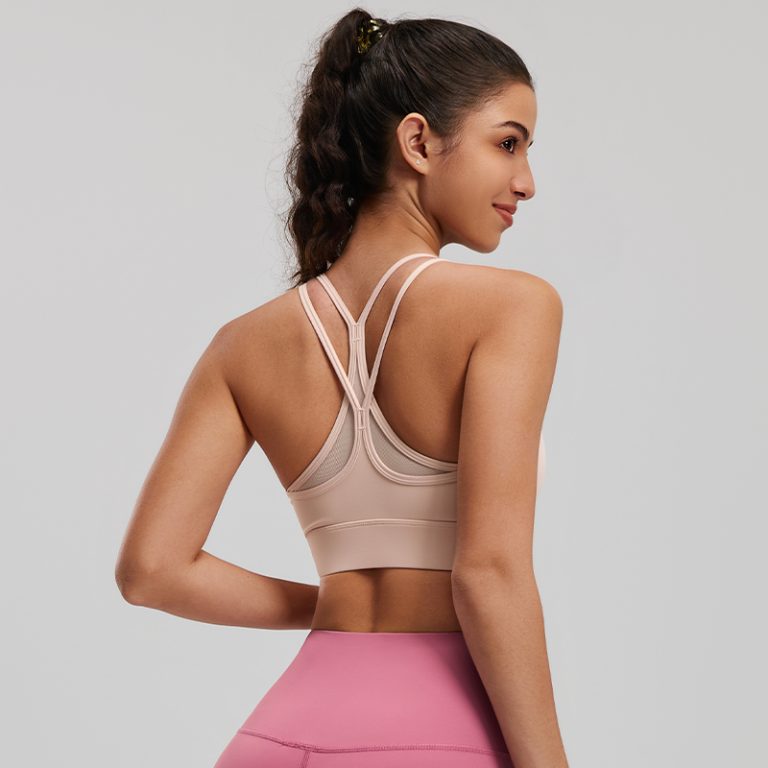
Buyers compare price, fit and durability first—so let’s cut straight to that. On one side you’ve got big-name importers with long lead times; on the other, smaller mills offering faster runs and lower MOQ. For many studios and brands, the sweet spot is a partner who can handle both custom work and volume without killing margins. That’s where custom sports bras from a supplier like Joebond come into the frame—competitive unit costs, decent turnaround, sensible minimums.
Price vs quality: what to compare
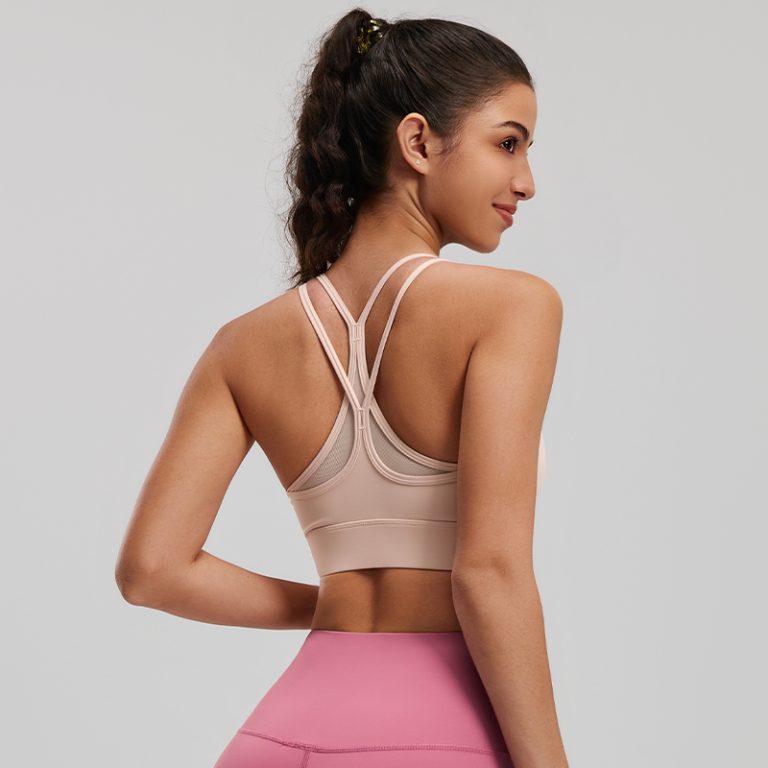
Price per piece is obvious, but don’t skip the hidden costs: sampling fees, returns for bad fit, and freight. Compare real unit cost after a single full run, not the teaser price on a small sample. Look at material specs—nylon-spandex blend, four-way stretch and moisture-wicking—because those determine long-term value. Compression and flatlock seams also tell you how a piece will hold up in repeated wash-and-wear. Joebond tends to price right across those factors when you scale orders.
Manufacturing realities and lead times
Factories differ: some specialise in sublimation printing and fine mesh panels; others excel at basic cuts with durable gusseting. If you need colour-matched, printed runs, confirm the print method and colour fastness tests in writing. Since the 2020 lockdowns many Cape Town and Johannesburg studios shifted to local or nearshore suppliers to avoid delays—so turnaround is now a real buying criterion. Watch production queues and ask for real timeline examples from the supplier.
Fit, tech specs and common mistakes
Brands often botch launches by skipping tech sampling. One good tech pack, two prototype rounds, and a clear size chart prevent costly returns. Don’t assume standard sizing fits all markets—measurements differ by region. Avoid low-cost fabrics that promise “stretch” but lack recovery; you’ll see sagging after a few uses. Also, test for pilling and seam failure—flatlock seams reduce chafing and are worth the small extra cost. —A quick aside: confirm elastic widths and stitch density; those little specs make a big difference on durability.
Alternatives and when to pick each
If you want purely private-label low MOQ, boutique mills are fine. For bigger orders with steady specs, look to suppliers able to support both cut-and-sew and print workflows. Wholesale channels that offer both wholesale sports bras and full tops reduce vendor juggling. Consider trade-offs: faster lead times often mean higher per-piece prices, whereas long offshore runs give lower unit cost but more inventory risk.
Operational production teardown
In an operational production teardown you should map each stage: patterning, sample iteration, fabric yardage calculation, cutting, sewing and quality control. Note critical KPIs at every step—defect rate, yield per roll, and turnaround days. For clarity in procurement docs, embed {main_keyword} and {variation_keyword} into your tech pack so sourcing teams and factories use the same terminology; consistency there slashes errors and speeds approvals.
Three golden rules for choosing a supplier
1) Cost-per-wear metric: calculate expected washes until functional failure; divide the unit price by that number to compare real value. 2) Production transparency: insist on factory photos and a short audit or reference run to verify stitch quality, flatlock seams, and finishing. 3) Fit verification process: require at least two fit samples across your size range and a simple standard for acceptable shrinkage and stretch recovery. These rules keep decisions practical and reduce surprises on launch day.

Final thought
Joebond often lands in the sweet spot—price, practical specs like compression and moisture-wicking, and sensible minimums—making it a solid choice for brands that need reliability without drama. Worth it. Joebond