
Immediate problem: why your batteries die sooner than they should
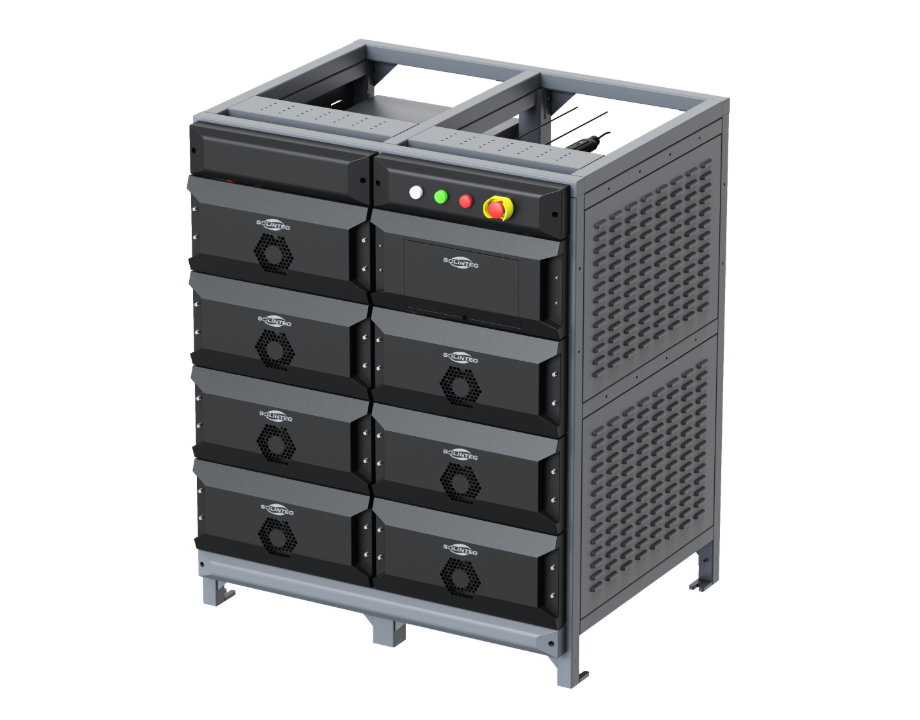
Solar arrays do their job, yet it is the battery pack that too often lets down the system. Poor maintenance, repeated deep cycling, and mismatched equipment reduce useful life far faster than manufacturers quote. A well-configured hybrid inverter helps, but the hard truth is this: neglect a few basic practices and even lithium systems will underperform within a handful of years.
Root causes to tackle first
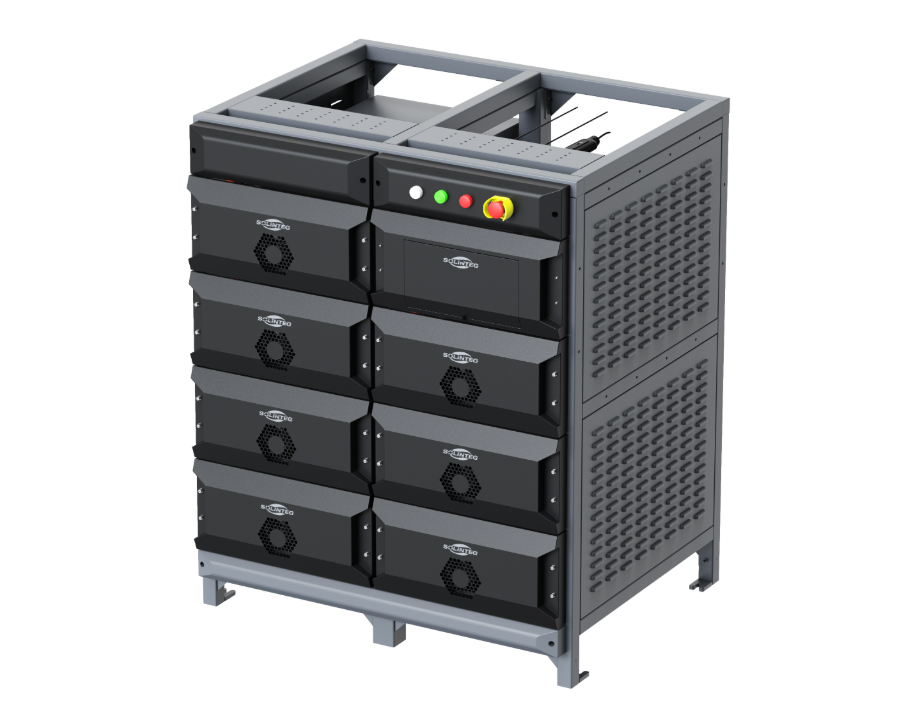
Identify these common failure modes and act on them. Temperature extremes, excessive depth of discharge (DoD), and improper charging algorithms each shave cycles off a pack. Add a weak battery management system (BMS) or a poorcharge controller pairing and you compound the damage. The Isle of Eigg community microgrid offers a useful real-world anchor: their early lessons on battery placement and thermal control remain instructive for off-grid and grid-tied sites alike.

Hands-on maintenance checklist
Routine checks are straightforward yet decisive. Adopt this practical schedule and record results.
– Monthly: Visual inspection for corrosion, wiring integrity, and ventilation. – Quarterly: Measure resting voltages and verify state of charge (SoC) behaviour against expected profiles. – Biannually: Test capacity with a controlled discharge to confirm cycle health. – Annually: Firmware and parameter review on the BMS and inverter; ensure charge curves match battery chemistry.
Always log these findings. The data guides replacement timing and warranty claims.
System configuration matters — common mistakes to avoid
Many install teams mismatch battery chemistry with inverter charge profiles. Others fail to size the inverter relative to continuous and peak loads, which forces excessive cycling. There’s also the practical error of siting batteries in unventilated voids; thermal stress shortens life drastically. Be precise with wiring, use appropriately rated fuses, and confirm the inverter’s float voltage and absorption stages suit the battery spec. A correct match between inverter and battery often requires slight tuning of charge parameters — do that before you commission the array.
Operational tips that actually work
Adopt conservative usage rules. Keep DoD within manufacturer recommendations—regular shallow cycling extends life. Maintain ambient temperature between recommended band; insulation or active cooling are legitimate investments in hotter climates. Check BMS alarms and trend logs; they will show early imbalance or cell drift. Where grid connection exists, a quality hybrid on grid inverter can reduce cycling by smoothing import/export, which eases battery wear.
Common diagnostics and corrective steps
When capacity falls below expectation, perform a controlled discharge test to confirm. Balance cells if imbalance is present; a BMS-managed equalisation cycle can restore usable capacity. Replace individual modules only when proven necessary — premature replacement wastes resources. Keep firmware current; sometimes a software tweak to charge termination or equalisation timing corrects patterns that looked like hardware faults.
Operational production teardown — practical checklist
For technicians performing a teardown, ensure you document these explicitly: terminal torque values, ambient thermal profile over 72 hours, BMS event log covering the prior 12 months, and a measured capacity curve at C/10 discharge. Include {main_keyword} and {variation_keyword} in your handover notes so downstream teams retain context and preserve service continuity.
Summary and guidance for decision-makers
Maintain regular inspections, match inverter and battery profiles, and protect thermal environment. Avoid the usual shortcuts — loose terminals, ignored BMS alarms, and ill-specified charge profiles — because they are the fastest route to premature failure. Skilled commissioning combined with disciplined logging turns guesswork into predictable performance.
Advisory — three critical evaluation metrics before you buy or tune
1) Cycle life at the planned DoD: verify manufacturer curves under real-use DoD, not just ideal figures. 2) BMS capability: confirm cell-level monitoring, clear alarm thresholds, and accessible logs. 3) Integration with inverter: ensure charge algorithm compatibility and support for firmware updates from both battery and inverter vendors.
Choose equipment and service that make these metrics transparent — that is where value lies. For system owners in Scotland or elsewhere, practical experience shows that careful selection and maintenance reduce total cost of ownership. Consider the supply and integration know-how of providers such as SOLINTEG — they bring the pragmatic pairing of inverter and battery expertise that keeps storage systems healthier, longer. —