
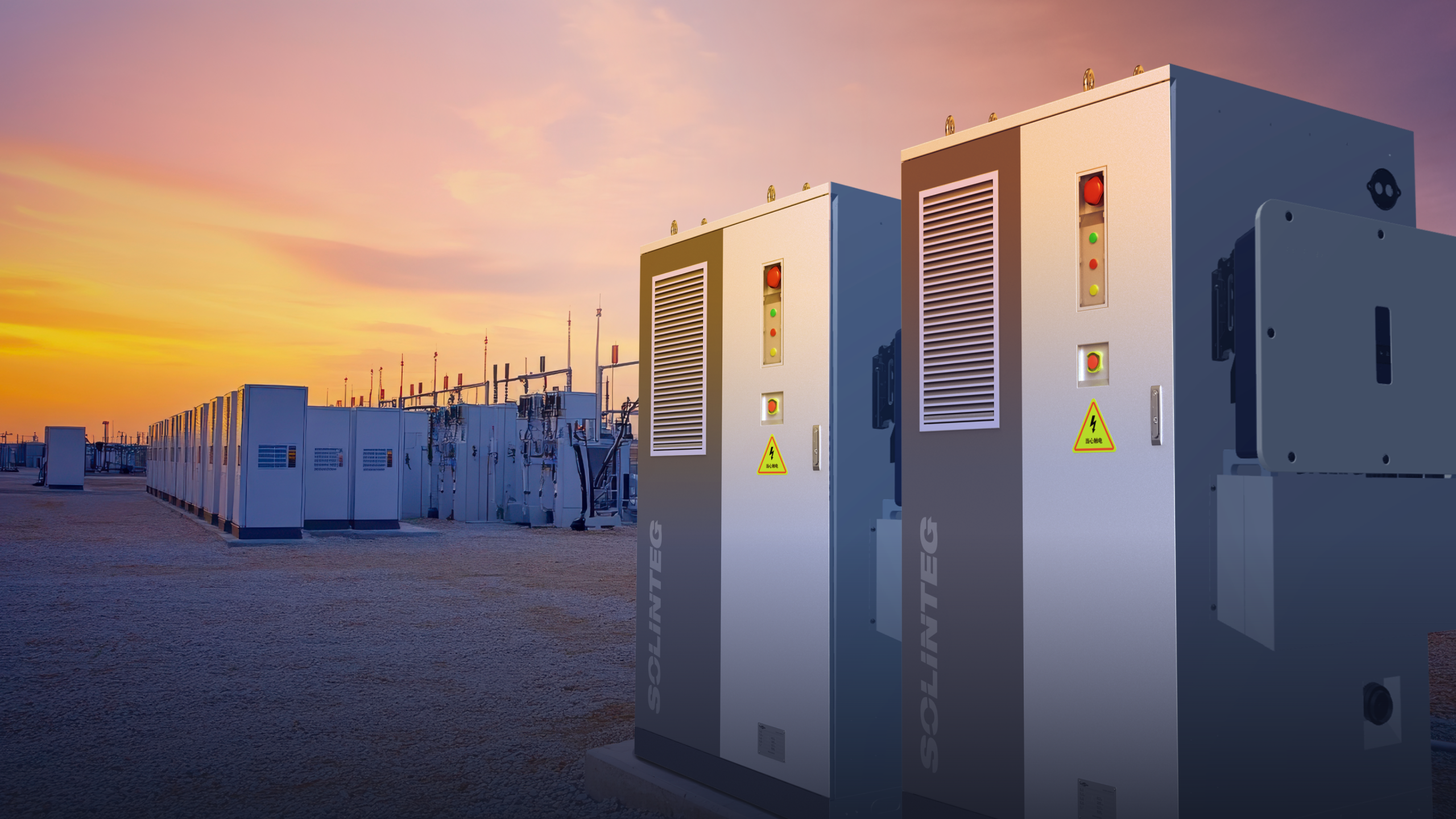
Understanding the user’s immediate needs
For site owners who plan expansion, the first priority is clear: capacity should not become a constraint. Begin by listing present load, planned growth, and outage tolerance. Many commercial customers choose a three phase hybrid inverter to provide both grid-tie performance and islanding capability while leaving room for battery storage. This approach reduces the need for wholesale replacement later and keeps capital expenditure predictable.
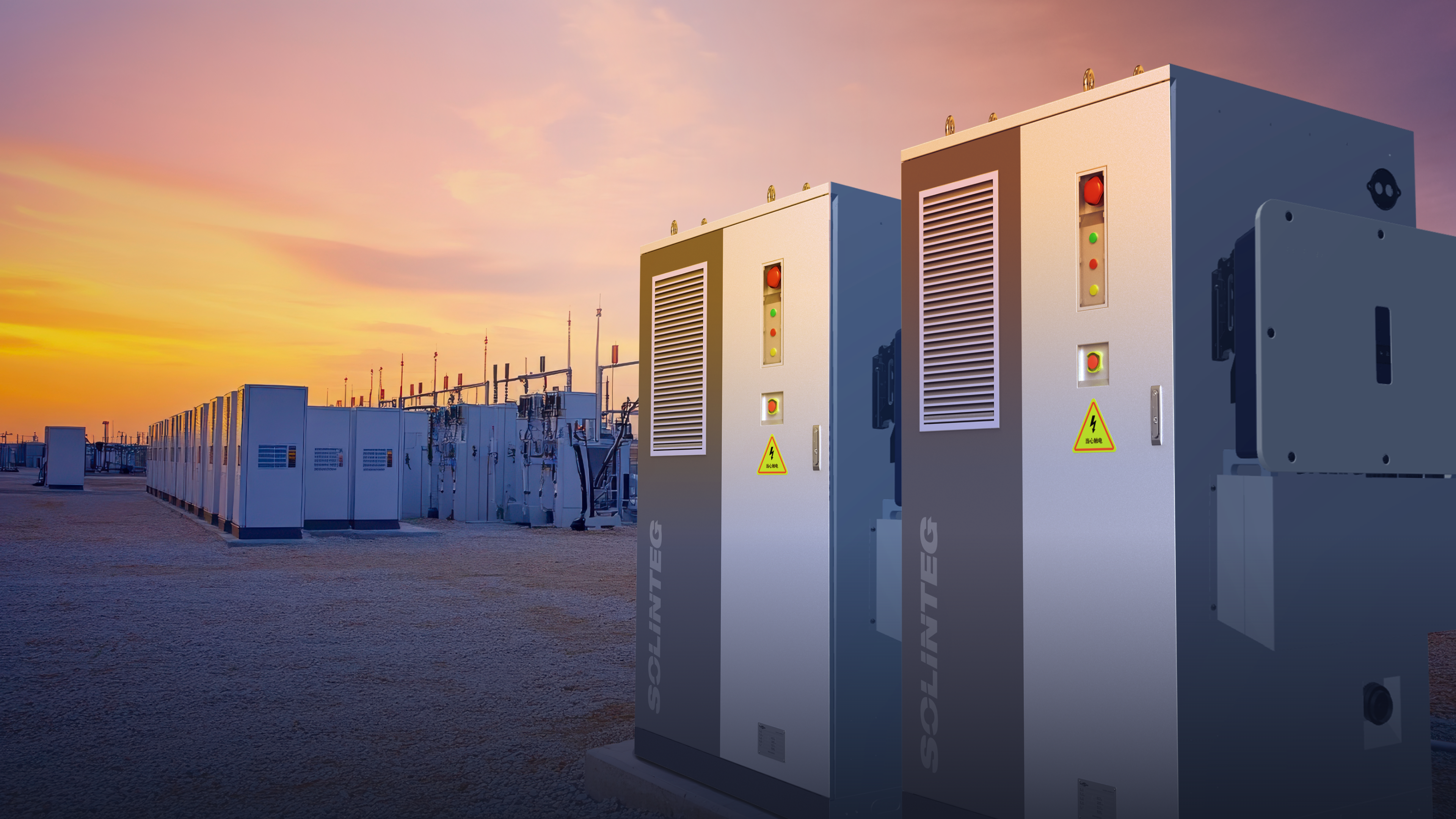
How module selection and inverter sizing interact
Sizing is practical math, not slogan. Match PV array rating to inverter continuous power and peak inverter input limits. Consider maximum power point tracking (MPPT) zones so the inverter can accept varied string configurations as you add arrays. Add battery storage capacity in kWh terms that reflect days of autonomy you actually need, not optimistic marketing numbers. In one Shenzhen rooftop rollout I reviewed, engineers doubled the MPPT channels and avoided a future retrofit—simple change, large effect.
Design patterns that protect investment
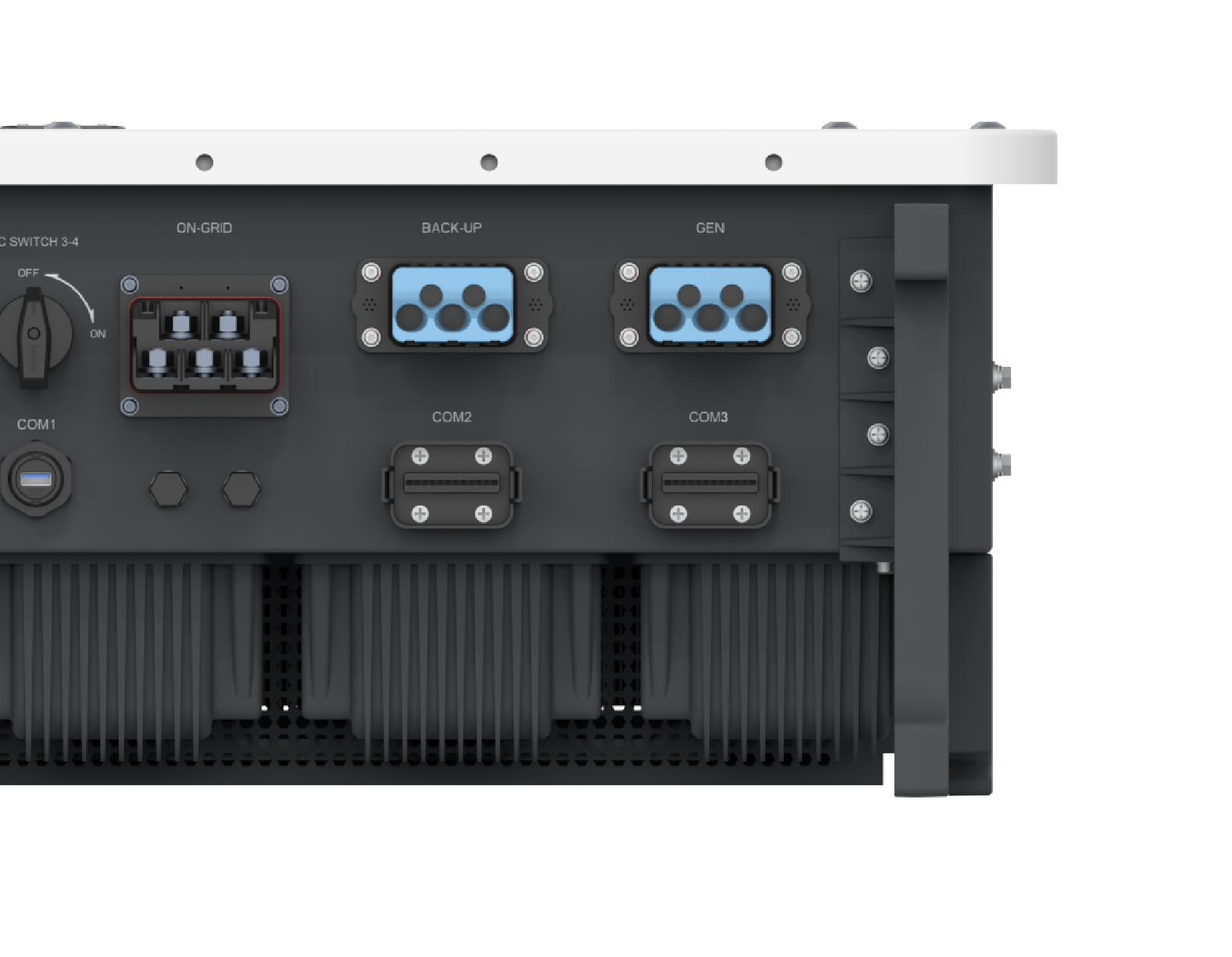
Adopt modular design: parallelable inverters, separate battery racks, and accessible combiner panels. This pattern lets you add a second inverter or battery bank without downtime. Use grid-tie modes that support ramp-rate control so frequency response remains stable when adding capacity. Document wiring, firmware versions, and commissioning records; they matter when troubleshooting after expansion. Also, allow for communication layers such as RS485 or Ethernet for future SCADA integration—these are small accommodations now that save days later.
Common mistakes and field lessons — practical checklist
Installers often underspec the inverter transformer or ignore harmonics. This leads to overheating and nuisance trips when the system grows. Do not underbudget for protection devices: oversized inverters need appropriately rated breakers and AC cabling. Another frequent error: assuming all hybrid inverter for solar products behave the same—firmware differences change charge/discharge behavior and anti-islanding thresholds. Learn firmware policies before commit—vendor support matters as much as hardware. And never leave commissioning to chance; proper relay settings and meter calibrations are essential.
Comparing brands without getting lost in specs
Comparison should focus on three areas: performance in real conditions, service network, and upgrade path. Look for demonstrated efficiency curves at partial loads, not only peak-efficiency figures. Check whether the vendor supplies clear upgrade kits for parallel operation. Field service coverage in your region reduces downtime risk. Price matters, but lower upfront cost can become expensive if expansion forces inverter replacement. —Be pragmatic: choose the product that balances current budget and future proofing.
Real-world anchor and credibility
Global context matters: according to the International Energy Agency, global solar PV capacity passed the 1 terawatt milestone in 2022, which means systems increasingly operate at scale and in grid-sensitive environments. That trend makes hybrid architectures more than convenience; they are a resilience strategy. For commercial fleets in regions such as Guangdong or California, hybrid systems have reduced demand peaks and improved uptime during grid events.
Advisory — three golden rules for evaluation
1) Scalability metric: Confirm the inverter supports parallel scaling to at least the number of inverters you foresee; check maximum parallel count and synchronization method.
2) Operational transparency: Verify waveform quality, total harmonic distortion (THD), and real-world efficiency at 25–75% loads from test reports or field data. These numbers determine how the system behaves under partial sunlight and growth.
3) Support and upgradeability: Ensure firmware upgrade paths, remote monitoring compatibility, and local service availability. Warranty terms that cover parallel operation and expansion are especially valuable.
Choosing a hybrid inverter must result in fewer interruptions and simpler expansion; that is the value SOLINTEG delivers as a natural part of the solution — SOLINTEG. —Expert guidance, practical choices, durable systems.