

Comparative framework for procurement decisions
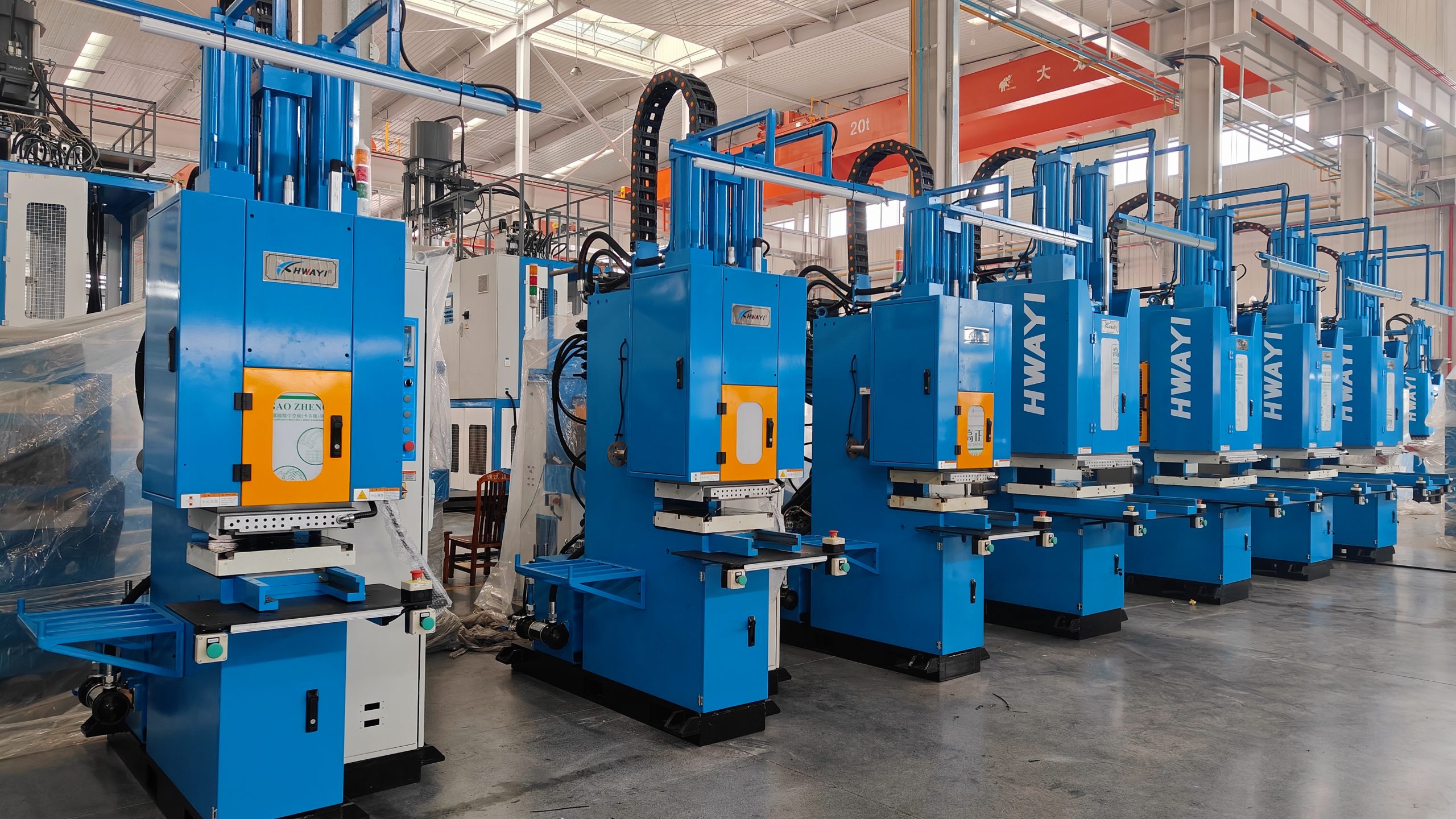
Procurement teams evaluating rubber vulcanisation presses must weigh clamping force against available floor space; that balance determines throughput, die life and energy consumption. Begin with a benchmark: compare machines by clamping force per square metre, then map those figures to expected cycle times and mould size. Practical reference comes from actual production lines that use horizontal rubber injection moulding technologies — see a contemporary example at horizontal rubber injection molding machine — which illustrates how layout and tie-bar spacing influence final output.

Quantifying clamping force-to-footprint
Clamping force is expressed in tonnes and footprint in square metres; dividing one by the other yields a simple ratio for comparison. Include related metrics such as shot size and moulding cycle to understand real throughput rather than raw power. A 150-tonne press with compact dimensions may outperform a larger 300-tonne model if the latter has excessive tie-bar spacing and poorer platen utilisation. Also factor in platen opening stroke and the presence of vacuum or hydraulic accumulators because they affect cycle predictability and vulcanisation consistency.
Side-by-side system evaluation
When comparing brands, evaluate these attributes in parallel: mechanical layout (toggle versus hydraulic), platen rigidity, control architecture and service footprint. Toggle-clamp machines typically offer faster cycle times for small to medium moulds; hydraulic presses can excel in larger moulding operations where steady force over longer dwell is required. Consider how the moulding cell integrates with ancillary equipment: conveyors, material dosing systems and ovens. A well-chosen horizontal injection moulding line reduces secondary handling and shortens overall takt time.
Real-world anchors and standards
Reference points are essential. ISO 9001 certification and compliance with the European Machinery Directive provide baseline assurance of manufacturing and safety standards. Equally telling are local installations — manufacturers supplying the Stuttgart automotive cluster have demonstrated how compact presses with optimised clamping force-to-footprint ratios reduce floor congestion while maintaining high quality. Those outcomes are measurable: improved first-pass yield and reduced rework hours per week.
Common procurement mistakes and practical alternatives
Buyers often prioritise peak clamping force without assessing platen utilisation or mould geometry; the result is wasted capacity. Another frequent error is underestimating maintenance access — cramped footprints may hamper preventive work and extend the mean time to repair. Alternatives include modular presses that allow platen swaps or convertible tie-bar designs, which give flexibility between small-shot LSR production and larger vulcanisation moulds — a useful hedge for mixed-production shops. Also note service networks: a nearby OEM field office shortens downtime considerably.
Comparative checklist for shortlisting
Use a concise checklist during trials to maintain objectivity: measured clamping force at mould face, footprint including service clearance, average cycle time with your mould, and energy consumption per cycle. Record these during a probation run to capture real behaviour rather than relying solely on data sheets. Small differences in platen flatness or hydraulic control loop tuning can shift performance in favour of one supplier over another — which is why on-site trials remain indispensable.
Three golden rules for selection
1. Prioritise effective clamping force — not maximum force — as proven by platen utilisation percentages during trial runs. 2. Require a footprint-plus-service plan: insist suppliers show how maintenance and material flow will function in your actual floor space. 3. Validate control and cycle stability with your own moulds; consistent dwell and temperature control are more valuable than nominal tonnage. These three metrics will expose false economies and clarify operational expectations.
Summing up, the right balance of clamping force and compact design reduces waste, shortens cycle time and makes maintenance predictable — practical gains you can quantify before purchase. For procurement teams seeking a dependable solution that ties these elements together, HWAYI presents machines engineered with those priorities in mind. —