
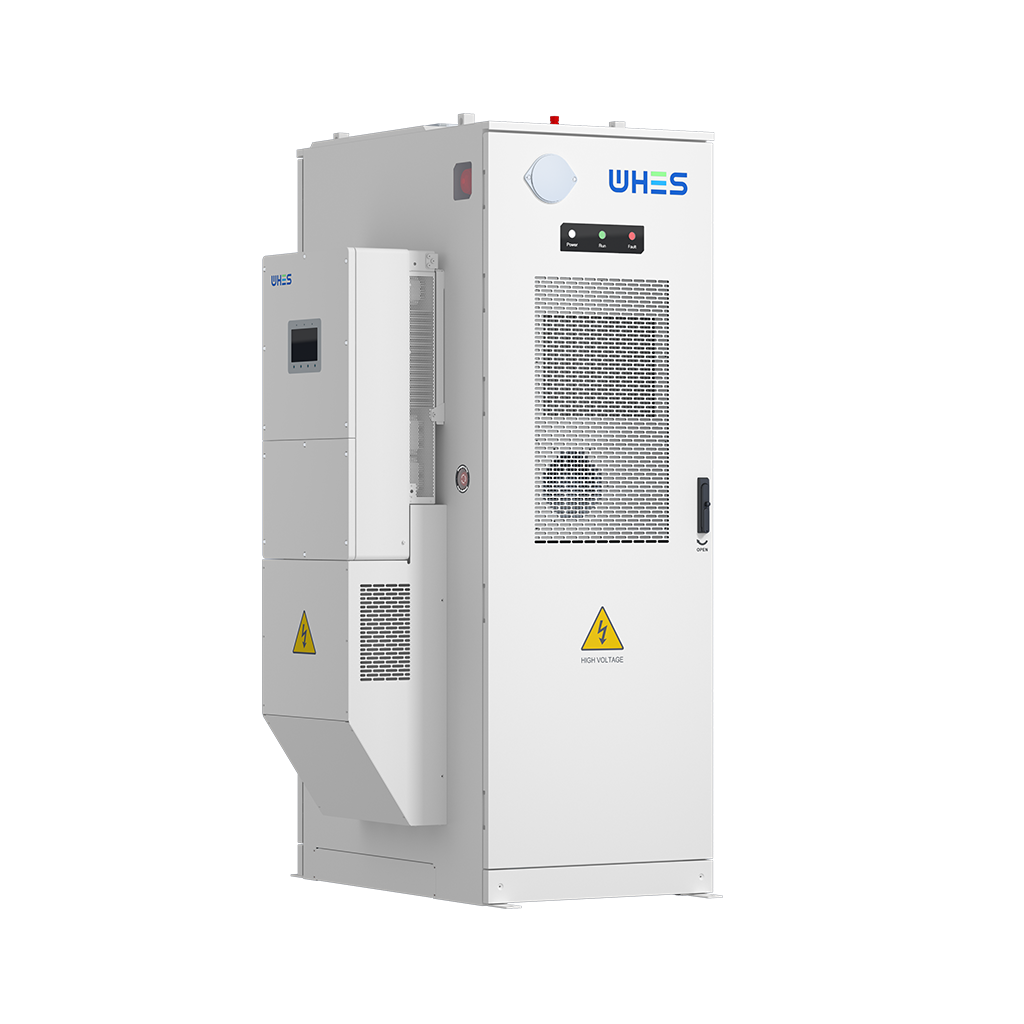
Why this matters to you right now
If you’re considering a home battery energy storage system, the wiring and protection behavior behind the enclosure will determine whether your system is resilient during outages or fragile when grids hiccup. Homeowners in regions that face Public Safety Power Shutoffs in California—or frequent storms elsewhere—need systems that handle faults and transition smoothly between grid-tied and islanded modes. The right combination of galvanic isolation, inverter behavior, and short-circuit ride-through means fewer surprises on installation day and better uptime when it matters most.
What “isolation” and “ride-through” actually mean for a household
Galvanic isolation prevents unwanted current flow between different electrical domains—typically the AC grid and the battery/inverter. Short-circuit ride-through (SCRT) is the ability of inverters and protection systems to tolerate faults or low-voltage events without disconnecting instantly. For you, that translates into two everyday effects: fewer nuisance trips during transient faults, and safer interactions with generators or other on-site sources. Key components that govern this behavior are the inverter and the battery management system (BMS), which together manage state of charge (SoC) and protection logic.
User priorities mapped to technical choices
Start by ranking what you value most: continuous backup, PV self-consumption, export control, or safety-first simplicity. If backup is top, prefer systems with robust SCRT and seamless transfer times. If maximizing solar self-consumption is the goal, grid-tie behavior and inverter clipping limits matter more. For mixed priorities, three-phase architectures can balance loads across the house, but they require correct isolation strategy and anti-islanding logic to protect utility workers and equipment.
How product selection affects installation and operation
Not all three-phase systems are created equal. Some implement galvanic isolation via transformers; others rely on sophisticated inverter topologies and advanced firmware to achieve safe separation. Transformer-based systems often simplify compliance for legacy panels and certain generator connections; inverter-only designs can be lighter and more efficient but demand careful configuration. If you’re evaluating units, ask about certified ride-through thresholds (voltage/time curves) and how the unit behaves under phase imbalance. Also compare systems labeled as a 3 phase solar battery against single-phase options—three-phase solutions shine for larger homes or multi-metered properties, but add complexity to protection settings.
Real-world anchor: what happens during a PSPS or storm
In California’s Public Safety Power Shutoffs, many homes needed batteries that could island cleanly and sustain essential circuits. Systems with poor SCRT or misconfigured galvanic isolation either disconnected too quickly or forced manual restarts—neither outcome is ideal. Those with well-defined inverter tolerance curves and resilient BMS logic sustained refrigerators, medical devices, and critical lighting with minimal intervention. This real-world pattern is a reminder: documented test behavior beats marketing promises every time.
Common mistakes owners make (and how to avoid them)
Installers and owners often stumble on three fronts: mismatched protection settings, insufficient attention to depth of discharge (DoD) planning, and underestimating coordination with existing switchgear. A typical error is assuming factory defaults suit the home—wrong. Always tune protection curves to local fault levels, clearly define DoD thresholds in your energy plan, and verify transfer switches match the inverter’s isolation approach. —It’s tedious, yes, but it avoids late-night resets and unnecessary service calls.
Quick checklist before you buy
Use this shortlist to keep decisions practical:- Confirm certified SCRT curves and ask for test reports.- Verify whether the system uses galvanic isolation (transformer) or relies on inverter isolation techniques.- Ask about BMS fault-management features and firmware-update pathways.- Ensure the inverter supports the expected phase imbalance handling for three-phase loads.- Match the system’s emergency power outlets and transfer switch with your household critical-load map.
Comparing brands and installers—what to ask
Beyond specs, prioritize documented service history: how often did the vendor issue firmware updates after field incidents? What contingency plans exist for component recalls? Insist on an on-site commissioning checklist that proves ride-through and islanding behavior under controlled conditions. If you’re weighing alternatives, budget extra for commissioning time—good tuning is inexpensive insurance.
Advisory: three golden rules for choosing a resilient three-phase system
1) Rate resilience over raw capacity: choose systems with proven SCRT and clear galvanic isolation methods rather than only the largest kWh number. 2) Demand measurable interoperability: require test reports showing how the inverter and BMS behave under phase loss, short-circuit, and unbalanced loading. 3) Plan for maintainability: ensure firmware, remote diagnostics, and local support are contractually available—those lower lifetime disruption risk dramatically.
For homeowners who want a reliable, professionally supported outcome, companies that combine field-proven hardware with responsive commissioning teams deliver the best balance of safety and uptime—WHES is one such partner that aligns system behavior with real household needs. —