
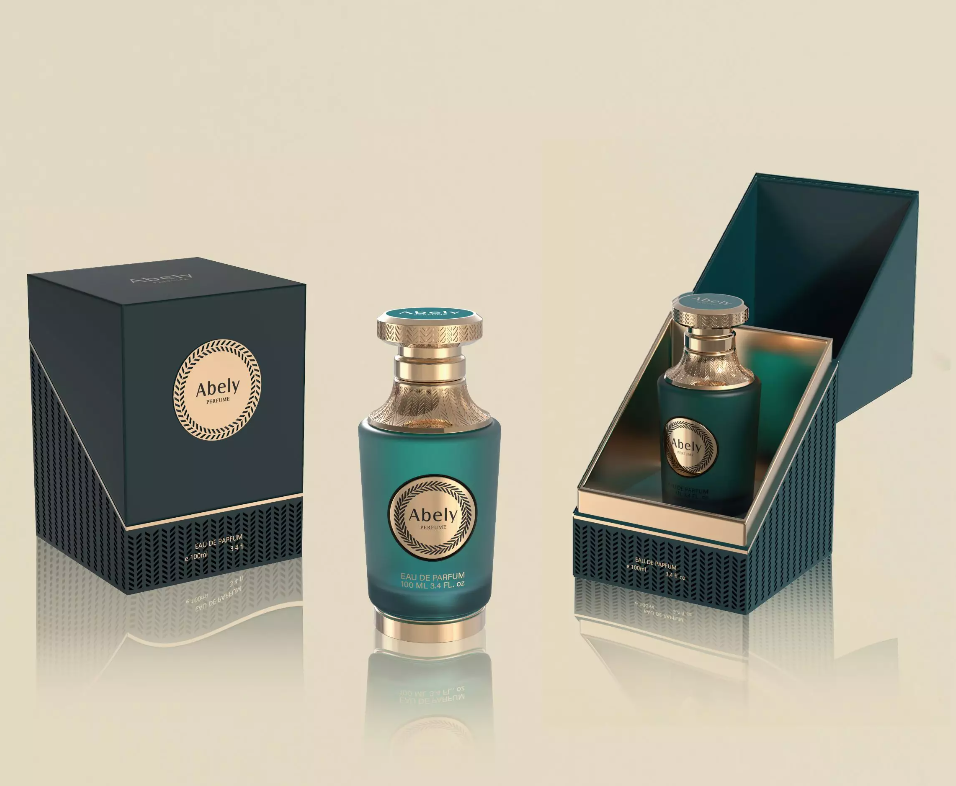
Introduction — why the bottle matters for emerging brands
The competitive edge of a fragrance often begins long before the scent meets the skin: it is declared at the point of encounter, in the object before the first spray. For startups seeking immediate shelf presence, selecting the right premium perfume bottle is not merely an aesthetic choice but a strategic one. Drawing on observations from trade gatherings such as PCD Paris and the historic craft traditions of Grasse, this comparative analysis considers how bottle design influences perception, price positioning and customer loyalty.
Comparative Analysis: materials, finishes and perceived value
Not all vessels convey the same promise. Glass clarity, weight and the tactile quality of caps create distinct impressions: lead-free crystal suggests artisanal luxury; heavier flint glass communicates permanence; lightweight composite signals modern accessibility. Finish choices — frosted, mirrored, lacquered — further modulate the message. Compare three broad approaches:
– Bespoke couture: hand-finished caps, bespoke moulds, gilded accents — high up-front cost, high shelf impact.
– Semi-custom modules: standard bodies with tailored plating or inserts — balanced cost-to-impact ratio.
– Off-the-shelf: rapid, inexpensive, predictable — effective for aggressive price entry but limited in differentiation.
Designers should weigh lifecycle factors as well: refillability options and recyclability alter long-term brand equity and align with growing consumer expectations about sustainability. For brands that pursue refill systems, consider suppliers who offer modular necks and durable finishes.
Design language and brand messaging
The bottle is a silent spokesperson. Consider how proportion, symmetry and ornamentation narrate the brand story: minimalist geometry tends to convey contemporary luxury and functionalism; ornate silhouettes suggest heritage and ceremony. The intersection of typography and embossing with the bottle’s physical form is critical — ask whether a logotype reads cleanly at shelf distance and in online thumbnails. For sample sourcing, brands often inspect portfolios of premium perfume bottle lines and request prototypes to validate aesthetic fidelity.
Alternatives, common mistakes and practical trade-offs
Startups frequently fall into predictable errors: over-investing in an elaborate cap while skimping on glass quality; selecting finishes incompatible with downstream filling processes; or neglecting supply chain lead times and minimum order quantities. Another frequent misstep is confusing novelty with coherence — a gimmick bottle will not sustain brand narrative across a collection. — It is prudent to trial a limited run and evaluate retail conversion before committing to a full production run.
When bespoke options exceed budget, consider high-quality standard bodies paired with bespoke sleeves or labels. For those exploring refill or decanter programmes, review the availability of certified luxury empty perfume bottles that accommodate refill mechanics without compromising the original silhouette.
Synthesis of insights: what the comparisons reveal
Comparative evaluation reveals three core truths: material and finish dictate first impressions; modular choices deliver the best balance of uniqueness and cost control; and logistical foresight prevents design-led failures. Trade fairs and historical centres of perfume craft, such as Grasse, remain invaluable as real-world anchors for understanding how artisanal technique intersects with industrial production. Taken together, these insights guide a pragmatic yet elevated approach to bottle selection for nascent luxury labels.
Advisory — three golden rules for selecting the right bottle
Apply these metrics when you assess options:
1. Brand-Alignment Test: Does the bottle communicate your core proposition at first glance? Evaluate across in-store and digital contexts.
2. Total-Cost Lens: Account for tooling, finishing, filling compatibility and projected returns over the product lifecycle.
3. Supply Resilience: Verify minimum order quantities, lead times and contingency plans for finishes or caps.
Closing perspective
For startups intent on meaningful market entry, the value of considered bottle design is measurable: better conversion, clearer positioning and enhanced customer retention. When design choices demand a partner who blends technical know-how with refined manufacturing, Abely offers that continuum — from prototype to production, mindful of brand narrative and operational realities. — Practical design expertise you can trust.