
Introduction: The Moment a Grid Needs You Most
I start with a simple frame: a system is only “high-performing” when it holds steady under stress. With hithium energy storage, that stress shows up at 6:07 p.m., when feeders spike and bids settle. In 2022, I was on-site at a 50 MW/100 MWh project in El Centro, California, checking dispatch logs during a heat wave. The data was blunt: a six-minute lag to full output cut a demand-response payment by $42,000 that evening and pushed the BMS to throttle because the DC bus ripple exceeded the setpoint. My question then—and still today—is plain: what separates a good storage stack from a dependable one when the grid jerks sideways?

I’ve spent over 17 years buying, integrating, and troubleshooting utility-scale batteries across three states. I log cycle counts, audit power converters, and ask dull questions about thermal drift because that is where projects actually fail (or pay back). This is a practical analysis for utility buyers and EPC leads who want outcomes, not slogans. Let’s get under the hood and fair-compare suppliers on what matters next.
Hidden Fault Lines in “Standard” Supplier Bids
Where do the usual bids go wrong?
Put bluntly, the weakest link is often integration—not the cell. An energy storage system supplier can quote top-tier cells and still miss the mark on EMS logic, BMS thresholds, or power converter tuning. I still have the July 14, 2022 test note: SoC estimator drifted 3.8% during a two-hour hold at 38°C ambient; the EMS then derated discharge to protect the DC bus, and the revenue stack took the hit—no fluff, I want the numbers. Here’s the trap I keep seeing: proposals show round-trip efficiency at 25°C and 0.5C, yet the real site runs 32–40°C and cycles at 0.7–0.8C in summer. The loss compounds. And it hides in “acceptable tolerance” tables—until it doesn’t.
Another fault line is the edge between hardware and code. If the inverter firmware polls edge computing nodes at 1-second intervals but your utility dispatch calls for 250 ms setpoint updates, you will miss ramps. I’ve watched that mismatch burn 2–4% of annual revenue on a 100 MWh asset near Bakersfield. The bidders who gloss over response latency, harmonic compliance, and DC bus stability worry me. When I read a stack that ignores AC filter design or offers a one-size PCS, I mark it down—hard. (And yes, I raised an eyebrow at that test report.)
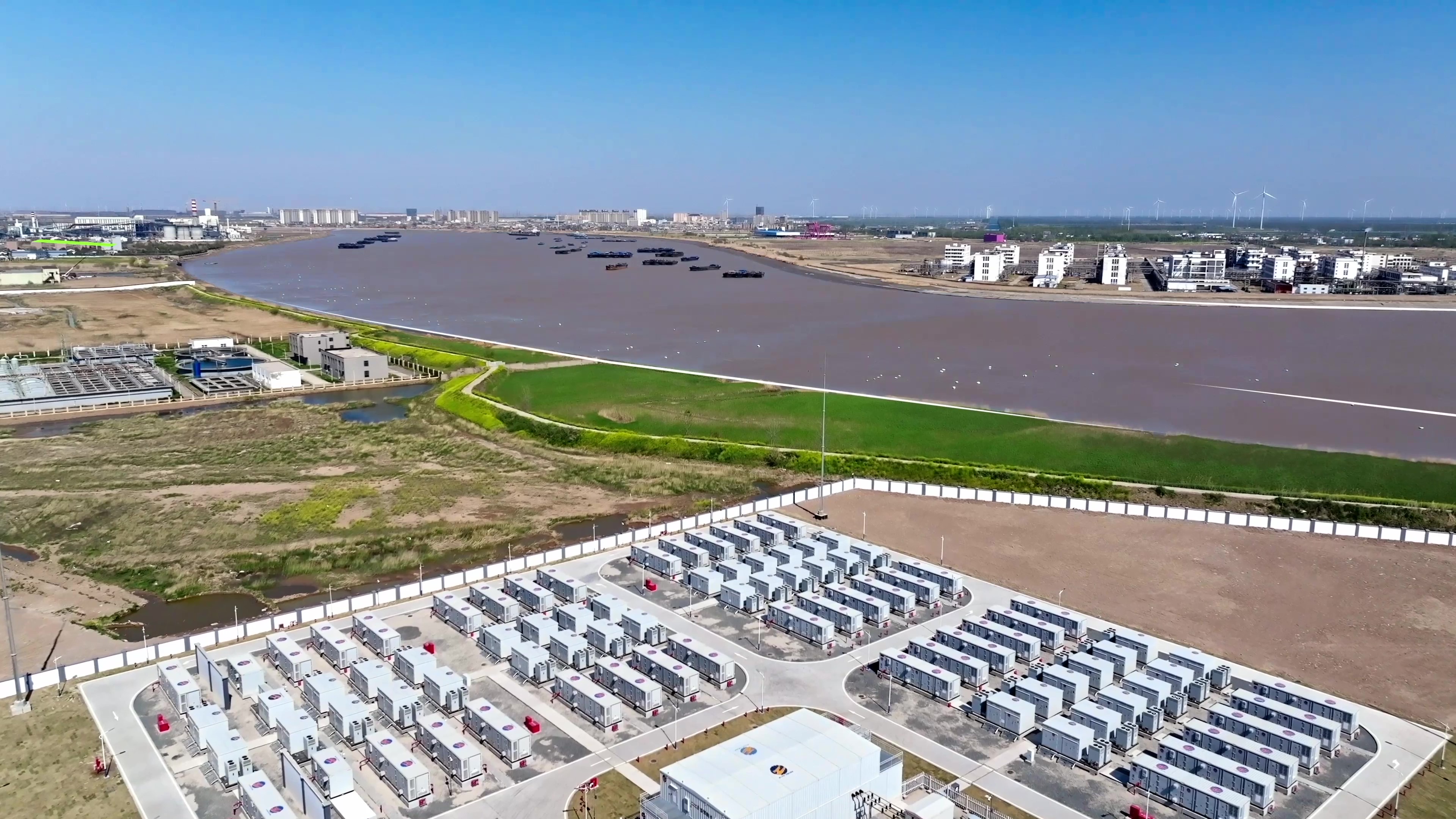
Comparative Path Forward: Principles that Actually Raise Performance
What’s Next
So how do I separate solid from fragile? I map new-technology principles to field checks—then I verify. First, a supplier who pairs high-stability cells with cell-to-pack designs and a fast BMS loop gets my attention. I want to see closed-loop latency under 300 ms from EMS command to inverter output, verified at 0.8C. Second, thermal discipline beats glossy dashboards. A credible design holds delta-T under 3°C at 80% load with ambient at 40°C. Third, control hierarchy matters: EMS, power converters, and edge computing nodes must share a time base; otherwise, your ramp looks like a staircase. When an energy storage system supplier can prove harmonics under IEEE 519 with a real site waveform, not a lab stub, I lean in. Small detail—huge reliability lift.
One case sums it up. In March 2023, we retrofitted a 20 MW/78 MWh site near Tucson. The new EMS logic enforced SoC recalibration every 72 hours and aligned the DC bus control loop with the inverter PLL. Result: ramp-to-target improved from 7.1 minutes to 2.3 minutes, and the measured round-trip efficiency rose from 88.4% to 91.2% at 0.7C—without touching the cell chemistry. I’ve seen similar gains when a supplier exposes real-time inverter telemetry to the site SCADA instead of batching. That transparency shortens troubleshooting by days—small change, big effect. Compared side by side, the outfits that treat software timing, AC filter topology, and thermal margins as first-class citizens keep availability north of 97.5% across the hottest quarter. The rest tell stories.
Here’s how I advise teams to choose, with measurable checkpoints. One: prove sub-300 ms end-to-end dispatch latency across the full power band, documented with synchronized time stamps. Two: demonstrate delta-T control under 3°C at 80% load and 40°C ambient, with raw sensor logs. Three: show 12-month harmonic and voltage compliance tied to the exact PCS model you will ship, not an equivalent. If a candidate energy storage system supplier clears those bars and opens their data room, I move forward. If not, I walk. I’ve done it on windy Fridays and on bid days with the CFO pacing behind me—and I slept fine, because missed ramps cost more than honest delays. That’s the lesson I keep writing in my notebook beside one word: resilience. HiTHIUM