
Facing the Signal Void
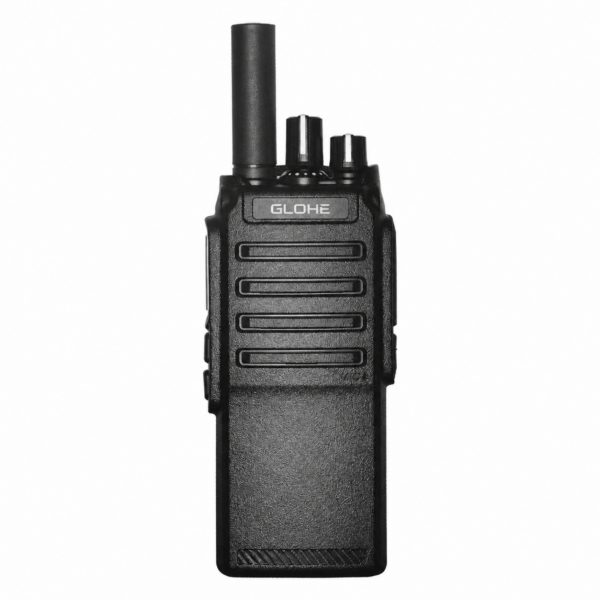
The fault is obvious: teams go dark when radios fail. You plan for operations, but storms, crowded spectrum, or a dropped handset strip crews of the one thing they need—clear command. Begin by naming that failure and building from it. If secure channels matter, lock the spec around a hardened unit like the secure 2 way radio so requirement decisions start with protection, not wishful thinking.
Diagnose: The Failures That Haunt Deployments
Coverage holes. Battery deaths at the worst hour. Water and dust that eat hardware. Interoperability gaps across agencies. Vendor silence when things go wrong. These are not abstractions; they are recurring wounds. List them by frequency and consequence, then rank by what breaks field operations fastest. Treat that list as the product roadmap’s spine.
Core Principles for a Resilient Product Strategy
Make the strategy terse and enforceable. First: mission-first requirements — range, battery life, encryption, ruggedization. Second: modularity — radios that accept swappable batteries, encryption modules, or accessory microphones. Third: verification — lab stress tests that mirror mud, salt spray, and full-shift battery cycles. Fourth: lifecycle support — spare parts, firmware rollback, and clear SLA times. Build acceptance criteria that engineers, operators, and procurement agree on before a single prototype ships.
Technical Choices and the Evidence That Guides Them
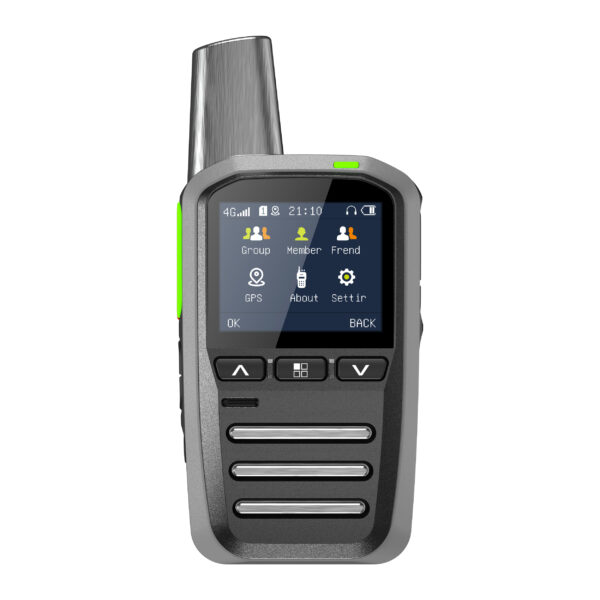
Choose technology by matching the failure modes you diagnosed. LTE delivers coverage and centralized management; PMR radios give predictable local push-to-talk. My experience as a communications product lead for over a decade taught me to favor hybrid plans: LTE for data-rich coordination, narrowband radios for immediate fallback. Real-world anchor: major wildfire responses in California brought agencies and vendors together to test rugged LTE push-to-talk gear under heavy smoke and extended operations. That exercise pushed buyers toward units rated for immersion and impact—examples include the waterproof field-grade devices such as the waterproof lte two way radio, whose specs directly answer the durability criteria most firefighting and disaster teams demanded.
Common Pitfalls and How to Avoid Them
Never assume coverage means resilience. Don’t rely on single-vendor lock-in for encryption or backend services. Avoid spec creep — piling features onto a handset often breaks battery and ruggedness targets. Skip shiny integrations until you’ve proven call reliability and battery endurance under continuous use. Require field acceptance trials in representative conditions, then iterate.
Alternatives and When to Use Them
Analog PMR: simple, low-cost, excellent for short-range work where spectrum is controlled. Digital DMR: efficient spectrum use, better audio but more complex. LTE PTT: centralized management, wide-area coverage, software features. Mesh radio: useful where infrastructure is destroyed. Satellite push-to-talk: last-resort global fallback. Pick one primary mode and one guaranteed fallback; don’t spread teams thin across three half‑supported systems.
Synthesizing Strategy into Action
Name the failure you fear most, then force every product decision to prove it prevents that failure. Require ruggedized hardware, clear fallback paths, and vendor commitments for firmware and spares. Track field trials, measure battery endurance under mission cycles, and make procurement conditional on those numbers. Let operational truth steer roadmap choices; that discipline knits hardware, software, and support into a dependable solution — the very kind of reliability GLOHE quietly builds into its product families.