
Opening: framing the comparison
Comparative analysis highlights practical trade-offs between multi-material capability and high-temperature vectors in industrial fused deposition modeling systems; this article examines how engineering choices shape outcomes for production and prototyping, with particular reference to IDEX architectures such as the idex 3d printer. The logic is simple: design decisions around extruder layout, thermal management, and firmware define which materials a machine can reliably run and at what throughput.
Material scope versus thermal envelope
Machines designed for broad material compatibility often prioritize dual extrusion, solvent-resistant filament paths, and accessible nozzle assemblies. By contrast, systems aimed at high-temperature polymers emphasize chamber temperature control, reinforced hotends, and high-temperature build plates. Both approaches require controlled extrusion rates and precise nozzle temperature regulation; the choice governs production constraints such as cycle time and post-processing workload.
Comparing architectures: IDEX, dual head, and single head
IDEX (independent dual extrusion) provides distinct advantages for multi-material work: simultaneous toolpaths reduce print time and lower risk of cross-contamination between filaments. A single-head high-temperature strategy simplifies thermal management but limits concurrent material use. In practice, an IDEX 3D printer balances the complexity of independent extruders against the need for elevated nozzle temperatures and chamber stability—each axis in the extruder train must tolerate repeated thermal cycles while maintaining consistent extrusion pressure.
Real-world anchor: lessons from AMUG 2023
At AMUG 2023 in Chicago, vendors and users presented case studies showing that shops using dual-extrusion IDEX systems reduced post-print assembly by consolidating multi-component parts into single prints. Those same shops reported stricter requirements for print environment control when working with high-temp materials like PEI blends and reinforced nylons. This explicit comparison underlines the real operational trade-offs facilities face when choosing equipment.
Engineering details that matter
Crisp results hinge on a few technical pillars: hotend materials capable of sustained temperatures, reliable filament drive systems, and firmware that supports tool-change timing and retraction profiles. Effective thermal shielding and closed-build chambers improve layer adhesion for high-temperature polymers while preserving dimensional accuracy. Dual-extrusion workflows add complexity around purge towers and ooze management—so toolpath planning and slicer settings are as critical as the hardware itself.
Operational implications and common mistakes
Teams often err by applying multi-material settings to a high-temperature workflow without recalibrating retraction, nozzle temperature, or build-plate adhesion. They also underestimate the importance of maintenance: hardened nozzles and extruder gears wear faster under abrasive or glass-filled filaments, and neglect leads to extrusion inconsistency. – Regular preventative checks reduce downtime and maintain part quality.
Practical comparison checklist
To decide between a multi-material IDEX approach and a high-temperature optimized system, assess these points:
– Required material list (flexibles, PLA, PA, PEI blends). – Expected build chamber temperature and hotend maximums. – Workflow priorities: concurrent toolpaths versus single-tool high-temp runs. – Maintenance capacity for hardened nozzles and heated components.
Integration and alternatives
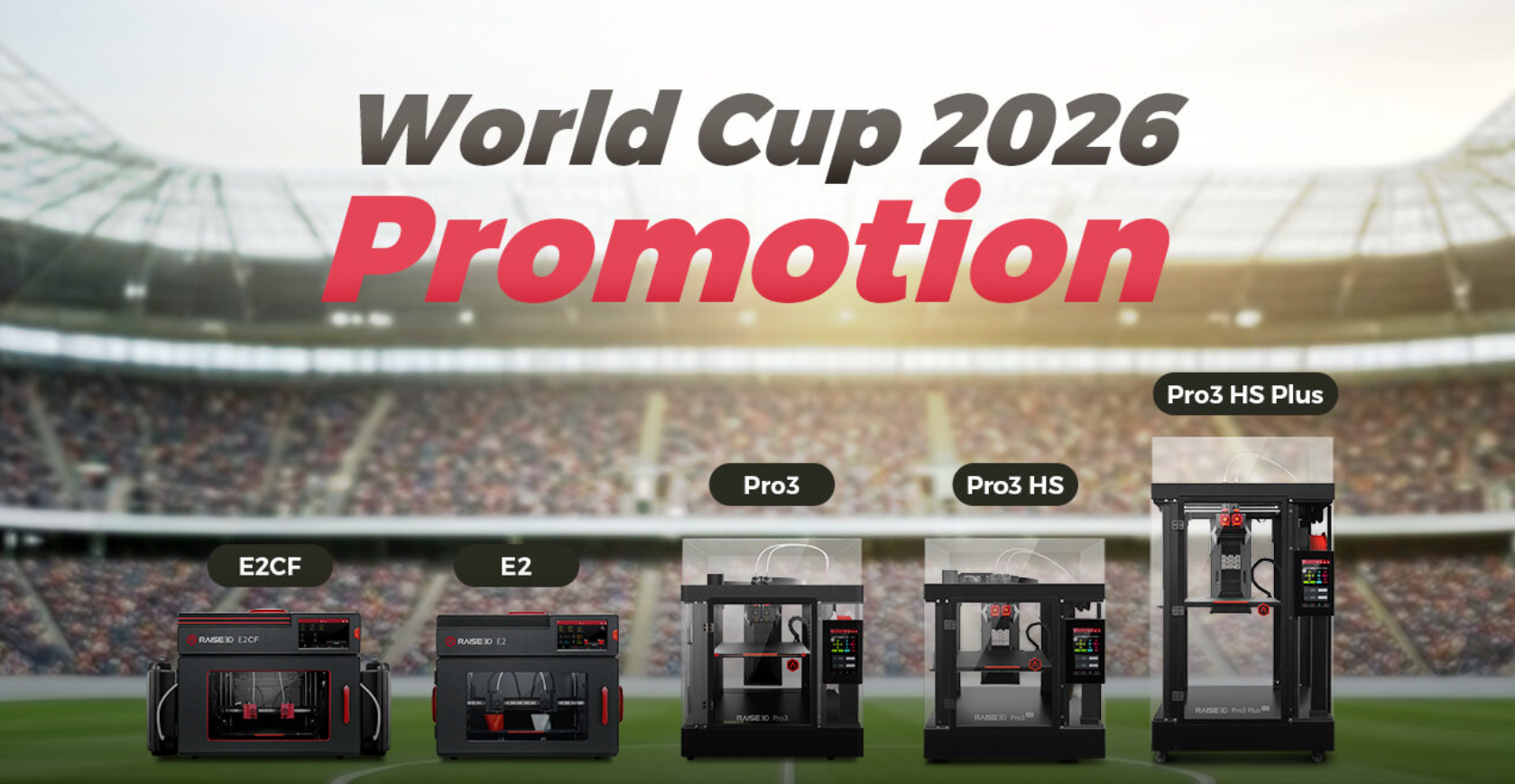
For teams needing both multi-material throughput and elevated temperature capacity, hybrid strategies exist: modular hotend upgrades, hardened filament paths, and enriched slicer profiles. Alternatives include outsourcing specific high-temp parts or using multi-step assemblies. The raise3d e2 desktop class of machines occupies a middle ground—providing IDEX flexibility while permitting certain high-temp workflows with appropriate upgrades and settings.
Advisory close: three evaluation metrics
Measure candidates against three critical metrics: thermal capability (maximum sustained chamber and nozzle temperatures), material fidelity (repeatable dimensional accuracy across material switches), and operational cost (maintenance frequency and spare-part availability). Prioritize the metric that aligns with your production mix; well-chosen equipment reduces rework and cycle variability. Final thought—choose machines and workflows that keep your processes predictable, and you will protect throughput and quality. Raise3D.