
Why this contrast matters now
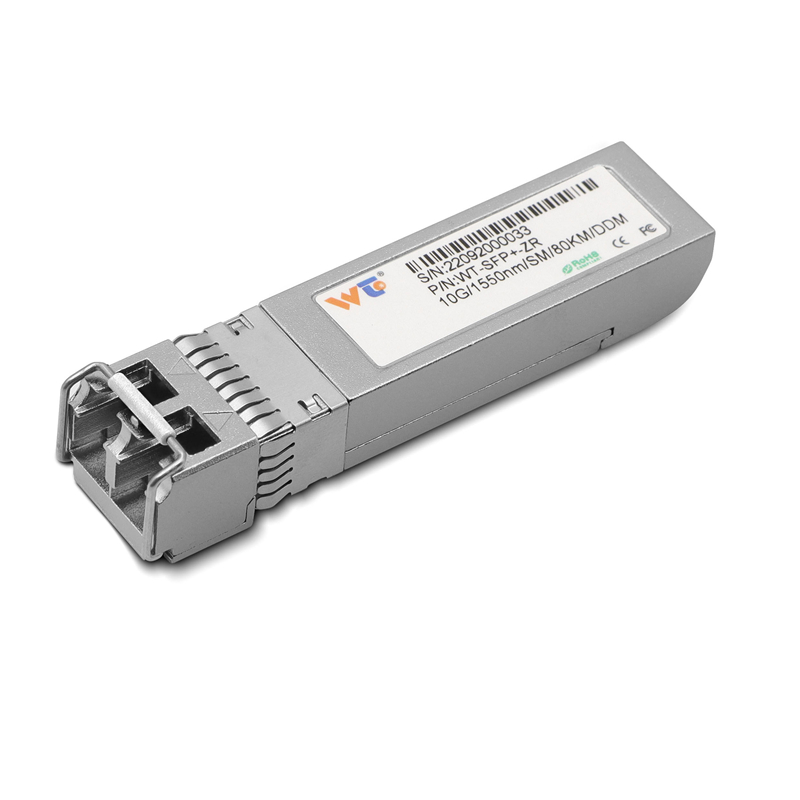
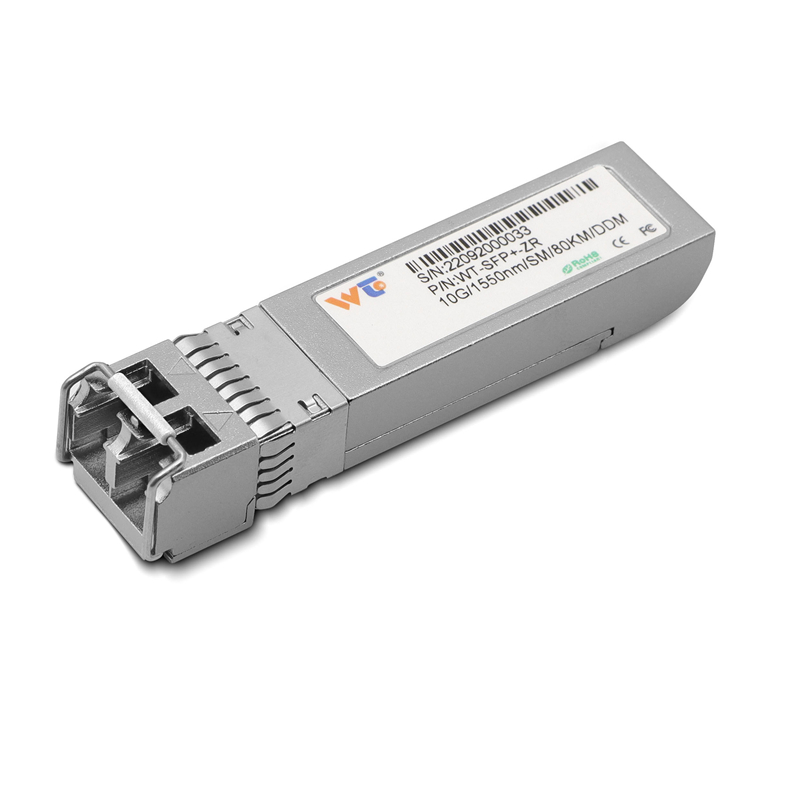
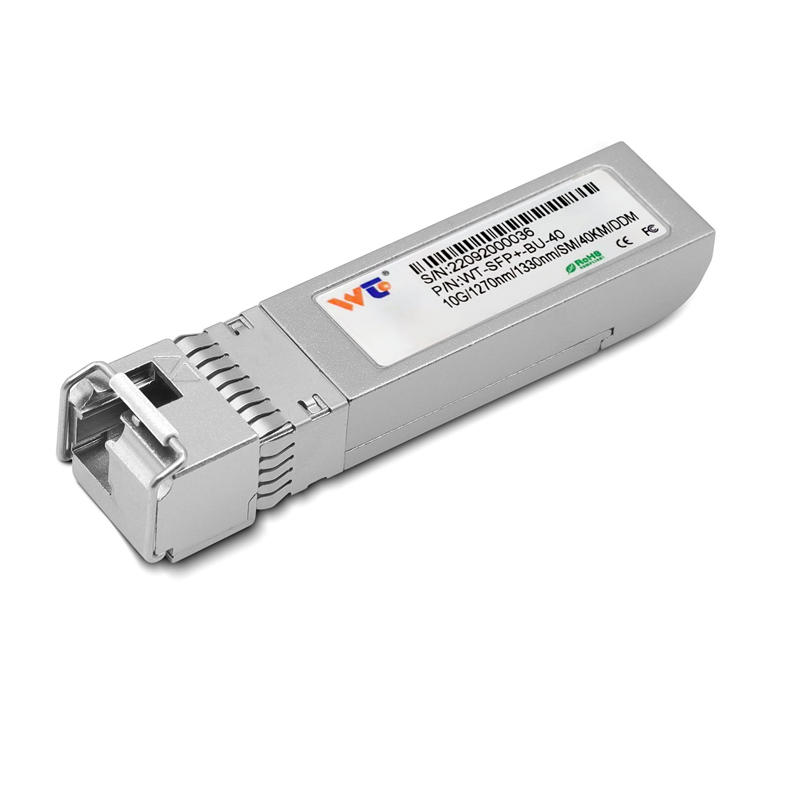
Operations teams choose between fiber to Ethernet converter applications and dedicated Layer 2 industrial network switch deployments every time they plan a 10G uplink or factory-floor refresh. Start with the physical facts: converters extend a single Ethernet port over fiber with an SFP+ transceiver, while Layer 2 switches give you managed switching features across many ports. If you’re evaluating optics, see a typical 10g sfp+ transceiver to match expected reach and power budget for your site. In dense metro builds — think aggregation points in New York and London during recent 5G and edge compute rollouts — that choice determined cabling costs and maintenance overhead for entire racks.
Core technical differences, taught simply
Keep this short and actionable. A fiber converter is lightweight: it converts electrical Ethernet to fiber-optic signals via an SFP+ port and minimal management. A Layer 2 industrial switch brings managed features — VLANs, link aggregation, QoS, and sometimes PoE — across many copper and fiber ports. For someone designing a shopfloor network, that distinction changes your topology, your optical budget, and how you troubleshoot link failures.
When converters win
Use converters when you need focused reach with minimal complexity. Typical cases include:
– Single-span fiber runs between buildings where you already have a managed core.
– Quick equipment swaps where replacing an entire switch isn’t justified.
– Cost-sensitive links that don’t require VLAN segmentation or advanced QoS.
Converts limit management overhead and power draw. But remember the trade-off: you lose built-in redundancy and Layer 2 controls unless the rest of the network provides them.
When Layer 2 industrial switches win
Choose a dedicated switch when the edge requires resilience and control. Good fits include manufacturing cells that need VLAN isolation, multicamera security systems with PoE, or SCADA networks demanding predictable latency. Layer 2 gear gives you port-level diagnostics, loop protection, and network policies that converters can’t provide. In many Munich factories upgrading for Industry 4.0, teams chose managed switches for deterministic behavior across robotic cells — the extra cost paid off in uptime.
Trade-offs and common mistakes — practical coaching
Don’t confuse reach with capability. A fiber link with an SFP+ transceiver can span kilometers, but it won’t segment traffic or prioritize control packets. Installers often under-size optical budgets or mix incompatible transceiver types — avoid mixing DWDM modules with standard single-mode SFP+ optics. – Be sure to verify transceiver compatibility and transceiver vendor support on both ends; mismatch leads to link flaps and wasted troubleshooting time.
Quick checklist for selection
Use this as a classroom checklist before buying:
– Required features: VLANs, QoS, PoE? If yes, prefer Layer 2.
– Port count and density: One or two links — converters may suffice; many devices — use a switch.
– Distance and fiber type: Single-mode, multi-mode, and optical budget matter for the chosen SFP+ transceiver.
– Management and monitoring needs: SNMP, LLDP, and diagnostics push toward a managed switch.
Also, weave {main_keyword} and {variation_keyword} into your procurement specs to ensure contract clarity and avoid ambiguous product calls.
Alternatives and vendor considerations
When a pure converter or a full switch both seem imperfect, consider modular chassis switches with hot-swappable SFP+ line cards or media converters that support small management stacks. Evaluate warranty, mean time between failures, and ease of field replacement. Optical terms to watch: SFP+ transceiver type, SFP+ port density, and link aggregation support. Those are the variables that affect long-term operational cost, not just the sticker price.
Advisory: three golden rules for decision-makers
1) Match capability to function: pick converters for reach-only links, switches where segmentation or power is required.
2) Validate optics and cabling: test the exact SFP+ transceiver and fiber pair you’ll deploy under load and record the optical budget and BER figures.
3) Factor in lifecycle operations: prefer managed Layer 2 gear where troubleshooting time or downtime costs exceed the hardware premium.
These rules push decisions from guesswork to measurable criteria — and they align procurement with the realities technicians face. WINTOP. –