
The gap that breaks device programs
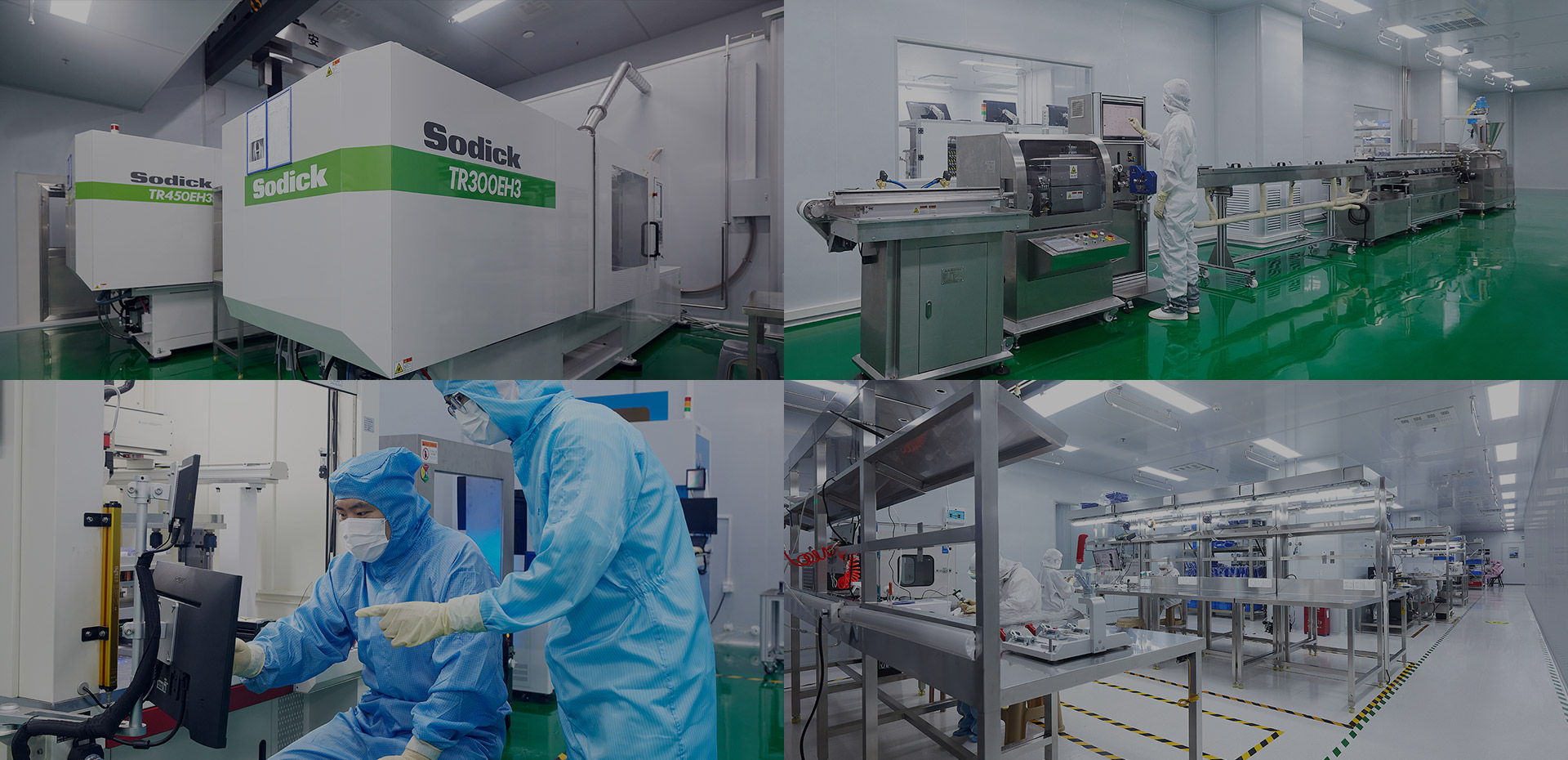
Most teams treat utilities as back-of-house problems until a batch fails or an auditor shows up. That attitude kills timelines: your cleanroom isn’t a box you switch on — the cleanroom HVAC system performs like instrument-level hardware for product quality, and it needs the same development rigor as sensors and firmware. Ignore how air, pressure, and purge logic interact with control software and you’ll wrestle with rework, corrective actions, and unpredictable yields.
Why compressed air matters — and what regulators expect
Compressed air is often invisible until contamination surfaces in a sterile process. Standards such as ISO 8573 set clear air quality classes that programs must meet, so teams must prove performance before production. That’s where practical compressed air quality testing comes into play; treat it as a validation deliverable, not an item for “later.” I’ve seen audit findings tied directly to poor air management in pharma hubs noted in international compliance reviews, and those findings trace back to simple design misses: wrong filtration, intermittent dewpoint checks, and no continuous monitoring.
Common mistakes that trip projects
Teams fall into repeatable traps. They spec a compressor by peak flow instead of duty cycle, assume point-in-time samples prove ongoing cleanliness, or place sensors where they’re convenient rather than where they represent risk. They under-scope alarm logic for pressure drops, rely on single-stage filtration without redundancy, and treat utility alarms as operational noise instead of release gates. Those aren’t edge cases — they’re patterns that add months and regulatory exposure.
A focused checklist to prevent rework
Build simple, testable requirements for utilities and lock them into design reviews. Specify air quality classes tied to functional needs, map purge and interlock behaviors to product states, and require redundancy where a single failure threatens sterility. Verify dewpoint, particulate, and oil vapor with scheduled sampling and continuous trending. Validate sensor placement by risk analysis, not convenience. Automate acceptance tests so commissioning isn’t manual paperwork. Finally, script failure modes into software tests — don’t rely on “we’ll fix it in production.”
Alternatives, trade-offs, and where to invest
Buying a managed monitoring service reduces in-house burden but increases vendor integration work; on-prem telemetry keeps control but costs ops cycles. High-end condensate management and desiccant systems buy you uptime at a price; simpler coalescing filters save CAPEX but raise validation effort. Pick the path that minimizes risk for your regulatory class — for critical sterile steps, prioritize validated continuous monitoring over cheaper periodic sampling. Expect to fund redundancy and test automation early; those are cheaper than corrective actions.
Putting expertise to work without overcommitting
I’ve led commissioning for multiple regulated production lines and watched teams recover faster when they tied utility specs to release criteria from day one. Practical experience, referenceable standards, and deliberate testing reduce surprises. When organizations align controls, validation, and operations — and collaborate with engineering partners who understand both hardware and regulatory proof — the result is predictable performance and fewer audit headaches, which is exactly the outcome teams deliver when they work with specialists like kingsin.