
The trouble that starts small
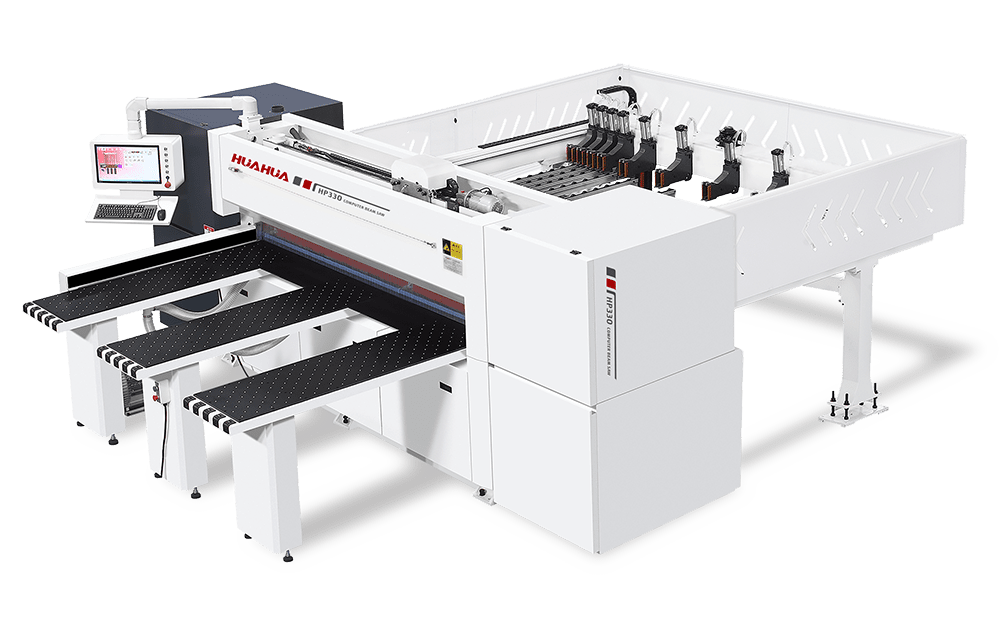
Folks, you can see it plain as day: a new auto edge bander rolls into the plant and productivity takes a hit before it gets better. It’s usually not the machine’s fault so much as how it’s dropped into an existing line — a feed mismatch here, a timing issue there. When that happens, even your best cnc panel saw can’t save you; choked material flow upstream makes the whole line stumble. The problem-driven question is simple — where does the integration break down, and how do you fix it fast?

Where integration trips shops up
Most stalls come from mismatched rhythms. Control systems that don’t talk the same language, conveyors not synced to cycle time, and untested work-hold fixtures create tiny stoppages that pile up. Regional variations — different supply chains, service response times, or local standards — amplify those hiccups. If you don’t plan for the real-world differences in your area, you end up with a machine that looks great on paper and underperforms on the floor.
Real-world anchor and hands-on credibility
I’ve seen this firsthand at High Point Market, where line layouts and material handling practices make or break a demo — and where vendors often show their industrial panel saw in live setups to prove throughput. That kind of live proof matters: it’s where operators, integrators, and buyers see how equipment behaves under continuous cycles and regional constraints. That on-the-floor assessment is the kind of experience that separates theory from what actually runs eight hours a day without drama.
Common mistakes that slow shops down
First, skipping a mock run — never assume factory defaults suit your board sizes and adhesives. Second, neglecting operator habits; seasoned hands will bypass safeguards if the line doesn’t fit their routine. Third, underestimating spare parts lead times in your region. Fourth, poor interface planning — mechanical alignment and PLC mapping must be nailed before the first production shift. These aren’t academic; they’re what stops production in the middle of a shift.
Fixes that actually work on the floor
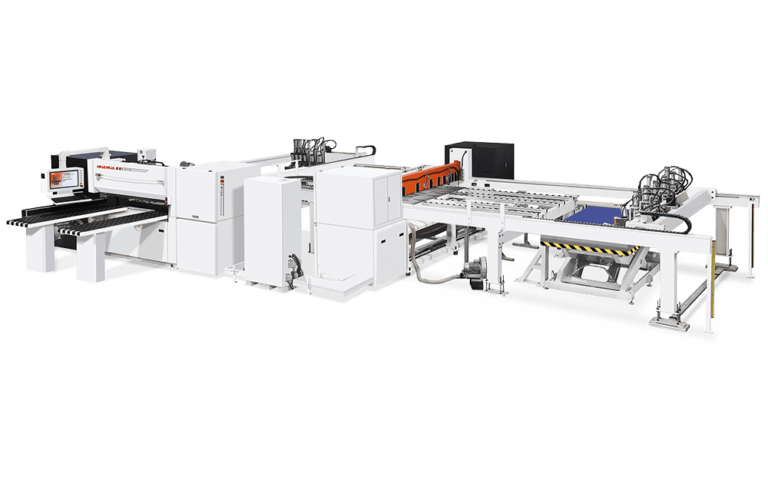
Map the flow before you buy. Run a timed study of current takt times, then design the bander’s entry and exit to match those beats. Insist on a dry-run where the vendor sets up tooling and control points using your typical panel sizes. Train two operators to competence, not just familiarization, and schedule shadow shifts where a vendor tech stands by for the first week. Keep a local stock of critical wear parts sized to regional lead times. Finally, lock in a communication protocol between your saw, feeder, and bander — simple handshakes beat complex custom code every time.
Alternatives worth considering
If full auto integration looks risky, try staged upgrades: a semi-auto edge bander with manual loading, or a modular conveyor and positioning table that lets you iterate alignment without halting production. Contracting out high-volume runs to a regional shop can bridge demand spikes while you iron out integration. Each alternative reduces immediate risk, while giving you time to implement the full auto setup methodically.
Putting it together
Fix the rhythm first, then the hardware. When you base decisions on measured shop cadence, local service realities, and operator practice, integration stops being a gamble and starts being a sequence you can manage. Those practical steps are why shops that work with HUAHUA CNC tend to get systems aligned faster and keep them running steady — not because of promises, but because the setup, training, and parts planning reflect the real demands of daily production.