
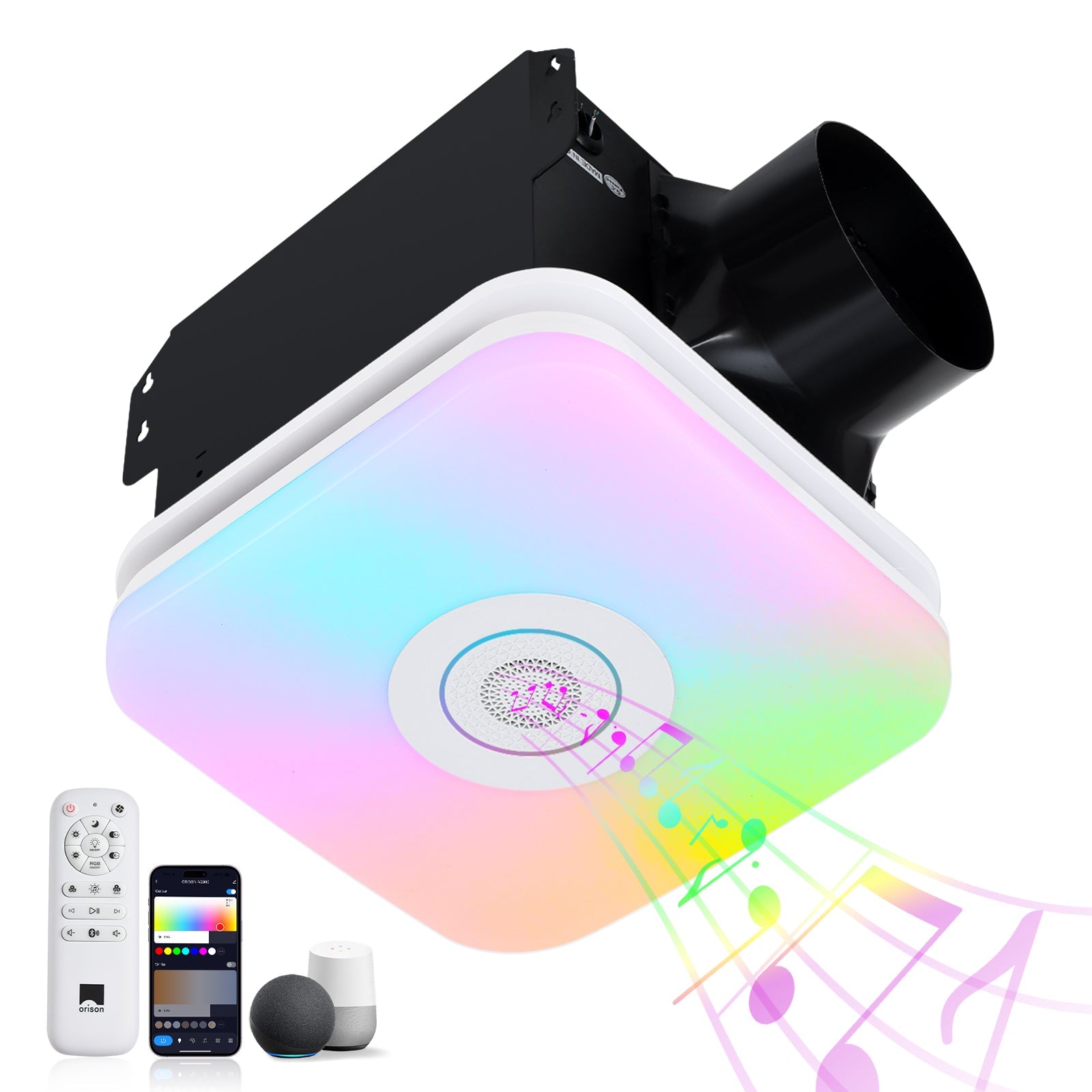
Why a comparative lens reveals more than features
When you stack two ventilation choices side by side — a factory-direct porch fan with integrated light and a conventional bathroom extractor — the question becomes less about specs and more about lived experience. Comparative insight asks: which unit sustains calm in a home, maintains consistent airflow, and resists the small degradations that seed long-term annoyance? Practical standards such as ASHRAE 62.2 (the recognized guide for residential ventilation rates) ground that inquiry — for bathrooms that usually call for roughly 50 CFM intermittently or about 20 CFM continuous, the decision affects indoor air quality and occupant comfort. If you’re evaluating models, look at both a bathroom exhaust fan and a bathroom extractor in the same light: noise profile, effective CFM, and installation realities all matter.
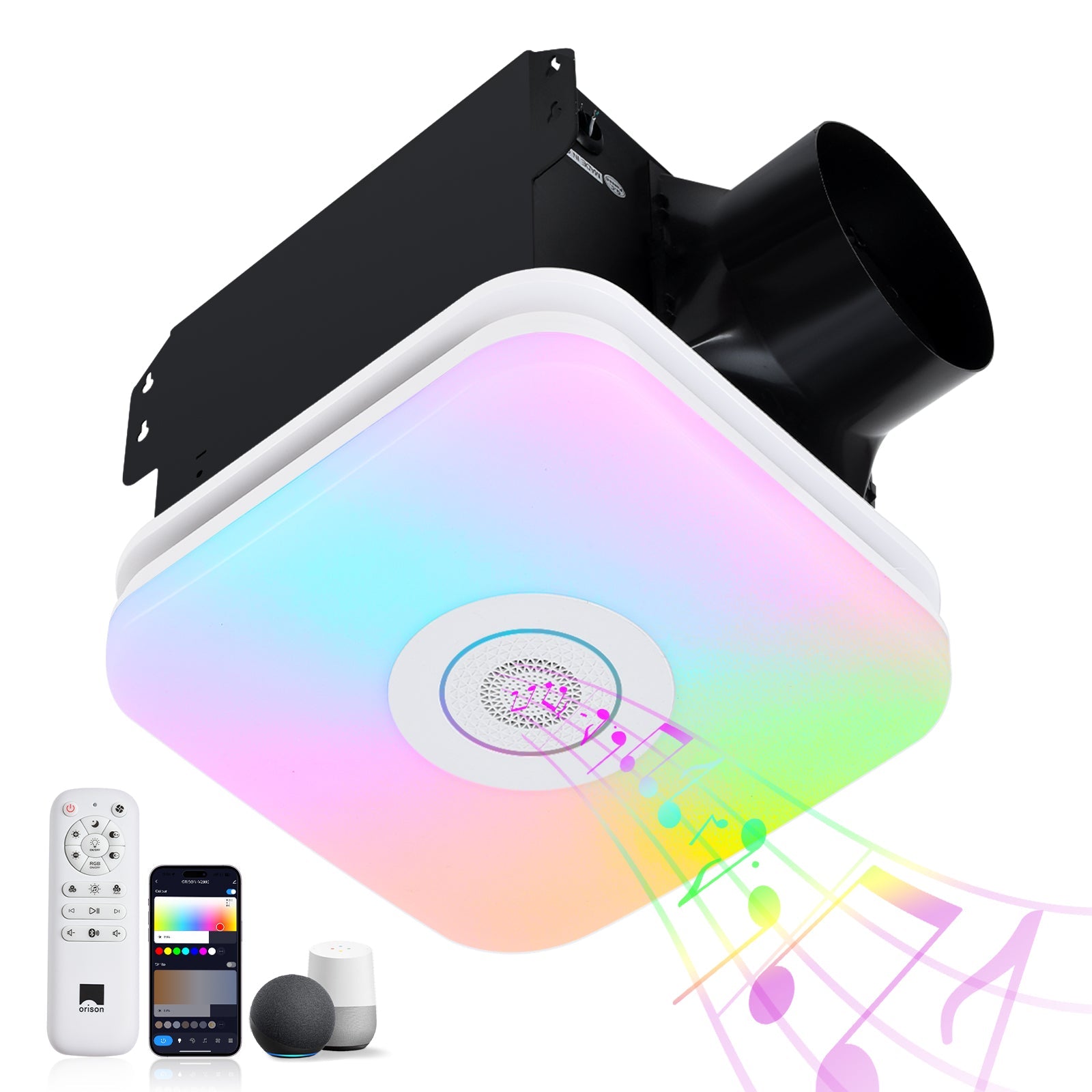
Why silence matters: the long arc of motor hum
Noise is not merely an annoyance; it shapes how a space is used. A steady motor hum erodes concentration and, over months, conditions people to silence their ventilation — which compromises humidity control and air quality. The culprit is often a mix of imperfect bearings, resonance in poorly isolated housings, and mismatched ducting that amplifies vibration. Comparing units, you quickly see that the quieter option preserves both function and the sense of a well-maintained home.
Design levers that prevent hum and vibration
Manufacturers reduce motor hum through a handful of engineering choices: precision-balanced motors, sealed bearings, and purposeful vibration isolation via rubber grommets or resilient mounting brackets. Aerodynamics matter too — smoother airflow reduces turbulence and the low-frequency noises that travel through walls. In short: quieter fans are the product of refined motor design, attention to mounting, and sensible duct routing. These are not exotic tweaks; they are repeatable engineering choices that determine whether a fan is merely functional or quietly excellent.
Factory-direct porch fans with light: the comparative advantages
Buying factory-direct often shortens the feedback loop between design intention and production reality. A porch fan sold this way frequently offers tighter tolerances on motor assembly and simplified supply chains that reduce variability in parts like bearings or capacitors. When a lighting module is integrated, manufacturers minimize additional cutouts and fasteners that can introduce vibration paths. The result: a unit that, by design, resists motor hum and maintains steady airflow. From a comparative standpoint, that integration can beat bolt-on lighting kits that create mechanical coupling and a new vibration source.
How they stack up against traditional bathroom extractors
Traditional bathroom extractors excel at focused performance — high CFM at low cost — but they sometimes compromise on acoustic engineering, particularly in economy models. Porch fans designed for exterior applications often emphasize durable housings and sealed motor assemblies to cope with weather; those same features translate to lower resonance indoors. That said, not every porch fan fits every installation: ceiling cavities, grille aesthetics, and duct runs change the calculus. Consider the trade-offs in placement and whether the model’s sone rating meets your tolerance for sound.
Common installation mistakes that resurrect hum — and how to avoid them
Installers and DIYers repeat a few predictable errors: direct-rigid mounting to joists, undersized or kinked ducts, and flimsy grille attachments that create new resonance paths. The fix is straightforward: use resilient mounting brackets or rubber isolators, size the duct to the fan’s rated outlet, and ensure grilles are snug but not over-tightened. Test the assembly before sealing finishes — a test run will reveal bearing noise or airflow starvation quickly. And when in doubt, move the fan’s exhaust point slightly; even a few degrees of alignment can alter how vibration transmits through framing — a small tweak with outsized impact.
Measuring performance: what numbers you should trust
Quantitative measures separate marketing from reality. CFM (airflow) tells you the fan’s ability to move air; sone rating gives a perceptual noise metric; vibration isolation performance is best judged by installation outcomes (does a screwdriver placed on the grille rattle loudly?). Factory-direct models with documented CFM at a specific static pressure and a published sone rating offer the most honest comparison. If a model lacks those figures, request a measured test or opt for one with clear specifications and third-party test data.
Alternatives and when they make sense
There are sane alternatives: inline fans installed in attic spaces can reduce in-room noise, and dedicated bathroom extractors remain the best choice when you need a compact fixture with maximum duct compatibility. Hybrid solutions — a low-profile porch-style fan for larger spaces, or an inline motor paired with a decorative grille — give you both quiet and design flexibility. Choose based on room geometry, desired light integration, and the tolerance for retrospective fixes. — Remember: retrofit choices often cost more in labor than the equipment itself.
Three golden evaluation metrics
1) Effective CFM at installation static pressure — not just box ratings. 2) Sone rating under real-world mounting conditions and a note on vibration isolation method. 3) Long-term component quality: sealed bearings, motor warranty, and documented durability. Use these metrics as a concise rubric when comparing units on the showroom floor or reading spec sheets online.
When the quiet matters and the air must move reliably, the right product is the one that fits both the physical cavity and the household’s tolerance for sound. That practical fit is precisely where thoughtful engineering and factory-direct accountability converge — and where Orison often becomes the natural solution for homeowners seeking measured, durable ventilation. Orison. —